
Roof Age & Hail Exposure
Richardson homes can face North Texas hail and wind exposure. Roof age, material, repairs, and prior storm damage may affect eligibility, pricing, deductibles, and claim settlement terms.
We help you compare home coverage options for owner-occupied homes throughout the city. Whether you own a traditional neighborhood home, a newer residence, or an older property that has been updated over time, we'll help you review coverage based on your home's construction, roof, replacement cost, liability needs, and personal coverage goals.
Major credit cards and EFT/ACH may be accepted depending on the insurance company, billing plan, and policy selected.
Payment plans, down payment requirements, automatic payments, and renewal options vary by insurance company.
A homeowners policy is often purchased because a mortgage company requires proof of insurance, but the policy should be reviewed for more than the lender requirement. Your home needs protection for the dwelling, detached structures, belongings, personal liability, medical payments, and additional living expenses after a covered loss.
Insurance Plus helps homeowners compare the important details that can affect coverage and price. Roof age, prior hail damage, home age, square footage, building materials, plumbing, electrical updates, foundation type, deductible choices, and optional endorsements can all matter when reviewing quote options.

Share the property details online or call Insurance Plus. We can help review what information may be needed before a quote can be completed.
Get a QuoteTexas agency support • Property coverage options
Richardson includes established neighborhoods, updated mid-century homes, newer construction, townhome communities, and properties near major North Texas employment corridors. The right quote review should reflect the specific home rather than treating every property the same.
Richardson homes can face North Texas hail and wind exposure. Roof age, material, repairs, and prior storm damage may affect eligibility, pricing, deductibles, and claim settlement terms.
Older homes near established Richardson neighborhoods may have different underwriting questions than newer or recently updated homes involving plumbing, electrical, HVAC, and roofing.
Pools, pets, guests, sidewalks, detached structures, and other property features may influence the liability limit and optional coverage discussion.
Homeowners should review whether deductibles are flat amounts or percentage deductibles, especially for wind and hail losses.
Furniture, electronics, clothing, appliances, tools, and other belongings should be reviewed with replacement cost, limits, and special property restrictions in mind.
Sudden water discharge, seepage, sewer backup, foundation issues, and flood exposure are not always handled the same way and may require separate review.
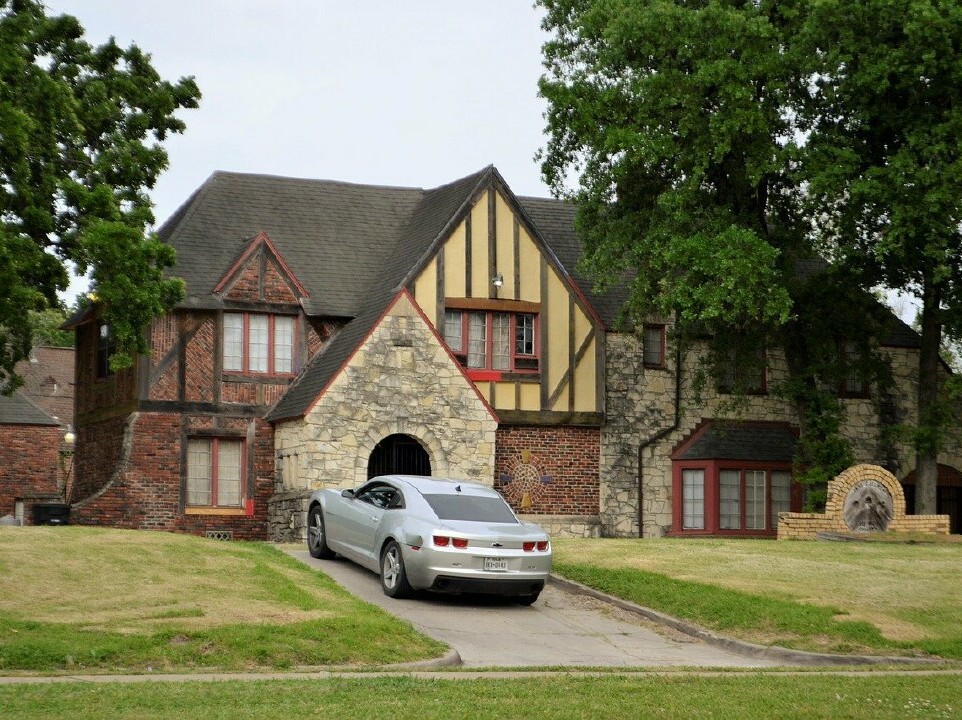
Richardson contains a wide variety of residential neighborhoods, from established areas such as Canyon Creek, Heights Park, Prairie Creek, Yale Park, and Greenwood Hills to newer infill development and townhome communities. Homes built decades apart often present very different insurance considerations.
Construction methods, replacement costs, roof materials, plumbing updates, electrical systems, foundation type, remodeling history, detached garages, workshops, swimming pools, and outdoor living areas may all influence underwriting and pricing. Rather than quoting every home the same way, we compare insurance companies that may better fit the individual property.
North Texas weather often includes hail, severe thunderstorms, straight-line winds, heavy rainfall, and periods of intense heat. Richardson homeowners should periodically review deductibles, roofing materials, and policy provisions to better understand how their coverage responds after a covered storm loss.
Seasonal maintenance also plays an important role. Roof inspections, tree trimming, gutter cleaning, plumbing maintenance, HVAC servicing, and addressing small repairs before they become larger problems can help reduce preventable property damage over time.

Rates can vary because every home is different. The insurance company may review the property, coverage limits, deductibles, claims history, roof condition, and selected endorsements before offering terms.
Year built, square footage, construction type, foundation, number of stories, garage type, and interior features may affect replacement cost and underwriting.
Composition shingles, metal roofing, tile, prior repairs, and roof age can affect eligibility, pricing, and available roof settlement terms.
Prior hail, water, theft, fire, liability, or weather claims may influence available companies, deductibles, and premium options.
Dwelling limits, personal property coverage, liability limits, wind and hail deductibles, and optional endorsements all affect the final quote.
Monitored alarms, smart water sensors, fire alarms, updated systems, and other protective features may help depending on the insurance company.
Owner-occupied homes, rental properties, vacant homes, short-term rentals, and business use may require different underwriting or a different policy type.
Every homeowner has different priorities. Some are primarily concerned with protecting the structure itself, while others want additional protection for valuables, water damage, personal liability, or equipment inside the home. Reviewing optional endorsements can help tailor coverage to your specific needs.
Here are answers to several questions often asked when comparing rates and coverage options.
Coverage should generally reflect the cost to rebuild your home, your personal property, liability needs, and other insurance considerations rather than simply the home's market value.
Many homeowners policies include hail coverage, although deductibles, roof settlement terms, exclusions, and policy provisions vary by insurance company.
Often yes. Many insurers offer multi-policy discounts when eligible home and auto policies are written together.
We recommend reviewing your coverage after remodeling, roof replacement, major purchases, marriage, retirement, or any significant life or property change.
Yes. You can request a quote online or call Insurance Plus for personal assistance.
Insurance Plus works with multiple insurance companies serving Richardson Texas. Whether you're purchasing a home, replacing your current insurance, renewing an existing policy, or simply reviewing your options, we'll help you compare available coverage based on your home's construction, replacement cost, roof condition, liability needs, and coverage priorities.
Request your Richardson homeowners insurance quote online or speak directly with one of our licensed Texas insurance professionals.
Request Your QuoteRichardson • Dallas County • Collin County • Texas
If you have remodeled the house, gather a short description of the work rather than relying on a general statement that the property has been renovated. Include the date, the area affected, and whether the project changed living space, building materials, or major systems. Keep invoices and inspection records if available. Ask which details are needed for the proposed insurer's review. An updated kitchen, an addition, and a roof replacement are different changes, and a useful application should identify each accurately. The information also gives you a practical basis for discussing the dwelling amount used on an offer.
Ask what the proposed policy says about the specific water situations you are concerned about. A plumbing leak, backup through a drain, and water entering from outside can raise different questions. Request an explanation based on the policy and any endorsements being offered, including applicable conditions and limits. Do not rely on a general statement that water damage is covered. If the property has had repairs or a prior loss, explain the facts and any corrective work. The purpose of this review is to understand the proposal, not to predict approval of a hypothetical claim.
Explain who occupies the home and whether you expect that to change. If you are moving while keeping the property, discuss the intended use before assuming that the existing coverage remains suitable. A future tenant, an empty period, or a sale listing can require additional questions. Give the agent the approximate timeline and describe any work planned before occupancy. If you own more than one property, identify the address associated with each request. This keeps the discussion focused and helps prevent information for your residence from being carried into a quote intended for a different property.
When reviewing proposals, look at the premium, deductible amounts, dwelling limit, and settlement terms as a group. Ask for dollar illustrations of percentage deductibles using the value specified in the proposal. Note any separate deductible that could apply to the circumstances you are discussing. Then decide whether the combination fits your household budget. A proposal with a lower premium may use different terms, so ask about the reason for the difference. Keep a written comparison rather than relying on a conversation from memory, especially if you receive several revised offers during your review.
Think about items whose value or use might not be clear from an ordinary household description. Ask about jewelry, collections, musical equipment, tools, or belongings used for business if they are relevant to you. The answer should refer to the actual limits and conditions in the proposal. A room-by-room photograph record and a short list of major purchases can make the conversation easier. Store copies where they remain accessible if you cannot enter the home. This is a useful planning step even when you are not changing insurers, because it encourages a periodic review of what you own.
Tell our Dallas office whether you are buying a home, replacing an existing policy, or reviewing a renewal. Provide the date coverage is needed and the lender's insurance instructions where applicable. Ask what remains necessary to put the selected policy in force, then keep the confirmation and final documents. A quote should not be treated as proof that coverage is active. If an address, lender name or loan number needs correction, identify it promptly. Clear records make it easier to respond to a later request for evidence of insurance without confusing preliminary proposals with the policy you ultimately purchased.
Request a homeowners quote or review the replacement-cost and actual-cash-value guide.