Home insurance options
Compare available markets, coverage and payment terms.

A decline, nonrenewal or expensive renewal deserves a careful comparison. Review available property coverage, from deliberately limited policies to broader protection.
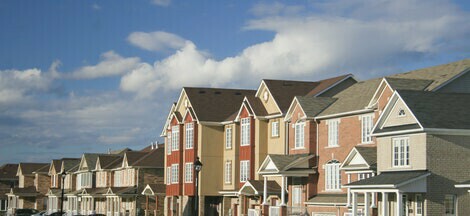
Compare available markets, coverage and payment terms.
Review unit protection and association requirements.
Review specialized property insurance options.
Options vary by insurer and program.
Insurance Plus is an independent Texas agency serving customers statewide from our Dallas office. This is not the official Texas FAIR Plan Association website. Quotes require agent review; availability and acceptance depend on underwriting.
Texas FAIR Plan insurance provides a last-resort option for eligible residential properties when qualifying voluntary-market coverage is unavailable. It can be useful, but its policy forms and endorsements deserve the same careful review as any other insurance offer.
Our agency can review basic form 1, extended form 2, broader form 3 and custom specialty options in available homeowners and dwelling programs. These descriptions are a starting point for a conversation, not a promise that every carrier uses identical wording. The actual policy, exclusions and endorsements determine protection.
A lower premium can reflect fewer covered losses, a higher deductible or depreciation at claim time. A broader policy can still have important restrictions. We explain those tradeoffs so you can review options against your budget and the property you need to protect.

Use this guide to identify questions for your quote review. Private-market columns describe possible options, not fixed packages or guaranteed coverage.
| Feature | TFPA | Basic private options | Expanded private options | Broader / custom options |
|---|---|---|---|---|
| Covered losses | Limited named losses; dwelling extended coverage is optional. | Selected named losses; confirm each included cause. | Additional named losses may be available. | Broader dwelling protection may be available, with exclusions. |
| Water damage | Limited discharge endorsement on eligible forms; confirm scope. | May be excluded or limited. | Review covered causes and dollar limits. | Review discharge, seepage and backup separately. |
| Dwelling valuation | ACV; homeowners replacement-cost endorsement available. No dwelling-policy replacement cost. | ACV or other specified settlement. | Replacement cost may be available. | Confirm replacement cost, limits and conditions. |
| Roof settlement | Check form and applicable endorsements. | Depreciation or scheduled payment may apply. | Check roof age restrictions and endorsements. | Broader form does not guarantee roof replacement cost. |
| Contents | ACV; replacement cost optional on eligible non-dwelling forms. | Contents may need separate selection. | Check contents limits and valuation. | Review replacement cost and special item limits. |
| Liability / loss of use | Homeowners liability and loss of use available; dwelling differs. | Confirm inclusion or separate coverage. | Review limits and covered-loss conditions. | Review liability and living expense or rental-income terms. |
| Deductibles / lender | Review policy terms and lender acceptance. | Lower premium may involve larger retained losses. | Compare wind/hail and other deductibles. | Check percentage deductibles and lender requirements. |
| Coastal / flood | Wind/hail excluded in designated catastrophe area; flood separate. | Confirm wind eligibility; flood review separate. | Confirm exclusions and separate policy costs. | Review all policies together for gaps and overlaps. |
ACV means actual cash value: replacement cost less depreciation. HO and DP forms are not interchangeable. A form number does not establish roof settlement, contents valuation or every endorsement. Policy wording controls.
For source detail, review the Texas Fair Plan association’s coverage summary and sample forms and endorsements. Ask us to compare the actual documents for your offers.
New TFPA coverage requires two qualifying declinations from authorized insurers actively offering the applicable residential coverage. Surplus-lines declines do not qualify. Certain offers that are more restrictive than TFPA coverage can count under its rules; simply finding a higher premium does not.
A current policy, renewal offer or valid comparable offer can affect eligibility. Property condition, occupancy and other underwriting standards also apply. A difficult property is not automatically eligible.
Texas Fair Plan policyholders must seek voluntary-market coverage every two years, with two updated qualifying declinations for renewal. This requirement does not mean coverage automatically ends after two years.
Review alternatives ahead of renewal, allowing time for inspections, documents and underwriting. Never cancel current coverage until the replacement is confirmed and its effective date avoids a gap.
See the official declination requirements and eligibility guidance. Insurance Plus can review your circumstances and available markets without promising acceptance or savings.
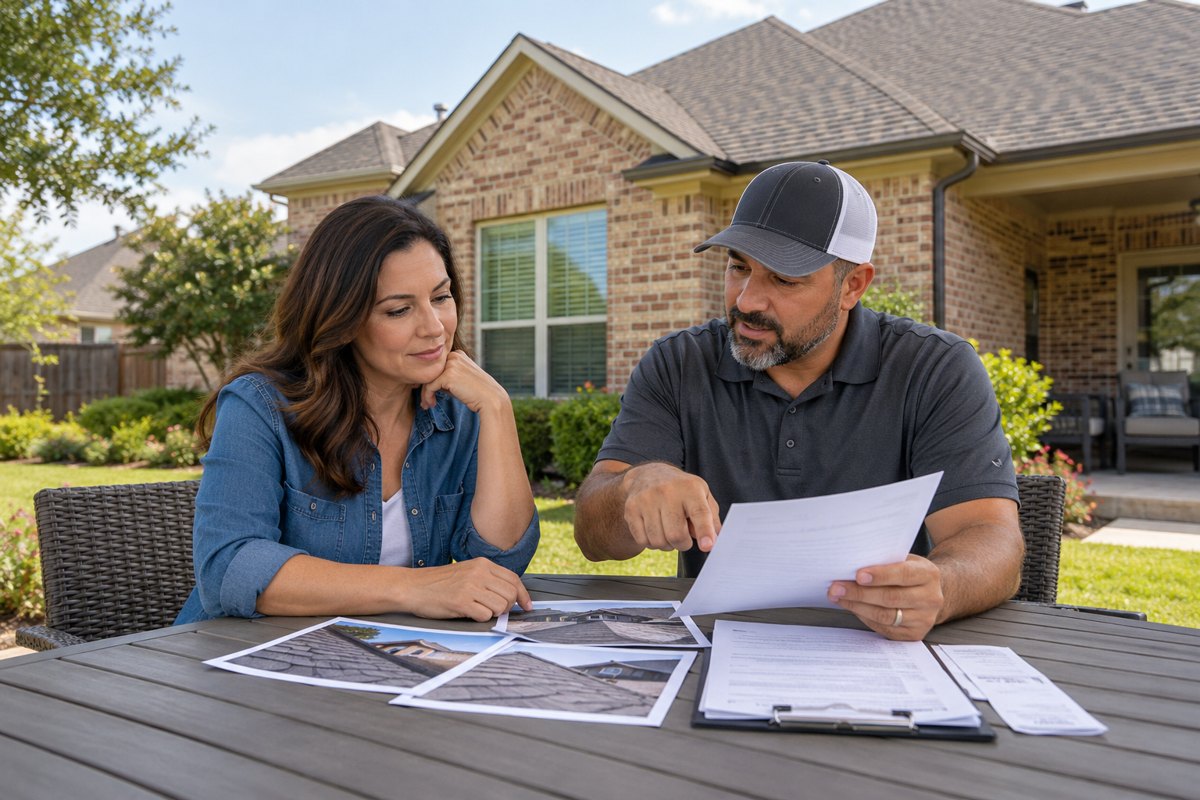
A single past loss and several recurring losses can produce different underwriting decisions. Explain what happened, when it happened, how much was paid and whether the cause has been corrected. Keep invoices and clear photographs showing completed work.
Open claims, recurring water damage and unrepaired storm damage may reduce the options available. Repairs can help document the property's present condition, but they do not erase claim history or guarantee approval. Disclose losses accurately even when repairs are complete.
If you recently received a decline, our guide to denied home coverage explains useful next questions. For a wider review of difficult properties, see high-risk home insurance options.
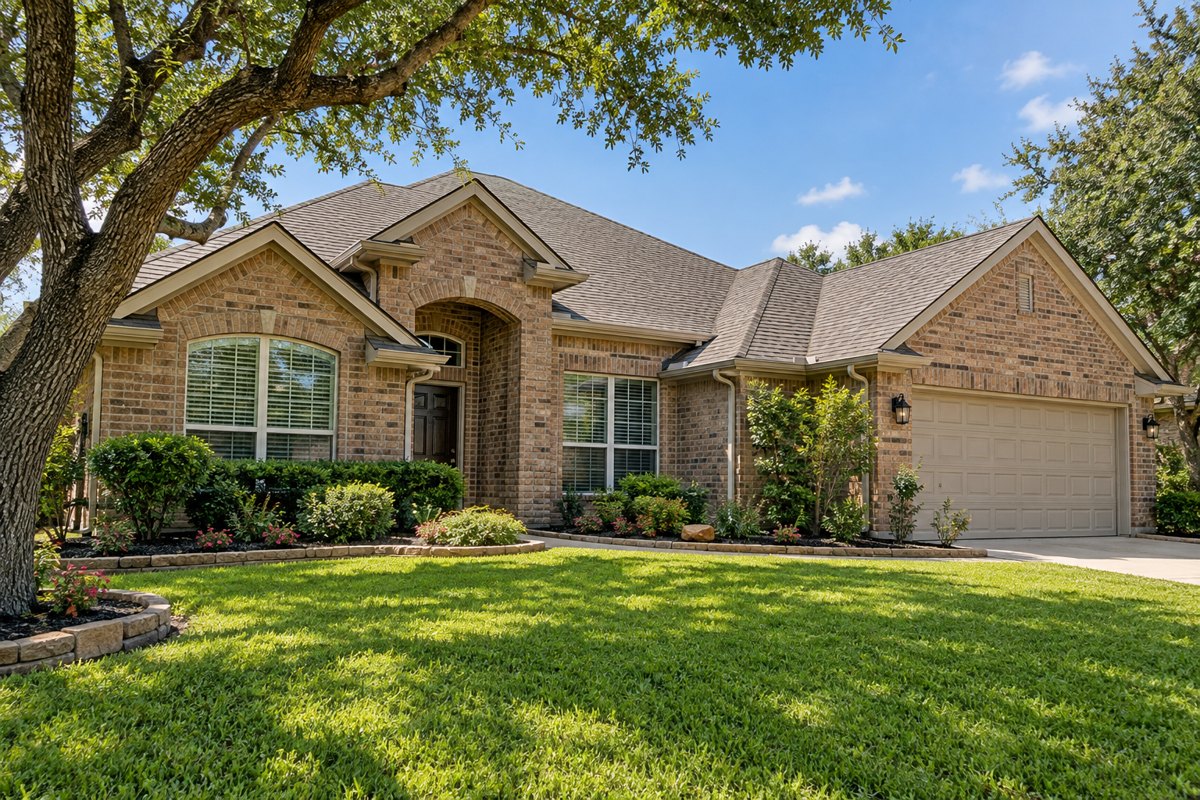
Roof age is only part of a property review. Insurers may also consider material, remaining condition, previous damage, electrical systems, plumbing and inspection findings. Provide the roof installation date and available repair or replacement documentation.
Ask how a covered roof claim would be settled. Actual cash value, a payment schedule and replacement cost can produce different out-of-pocket costs. Check cosmetic-damage exclusions and wind/hail deductibles separately from the dwelling limit.
Review our Texas roof insurance guide for additional questions to discuss before choosing coverage.
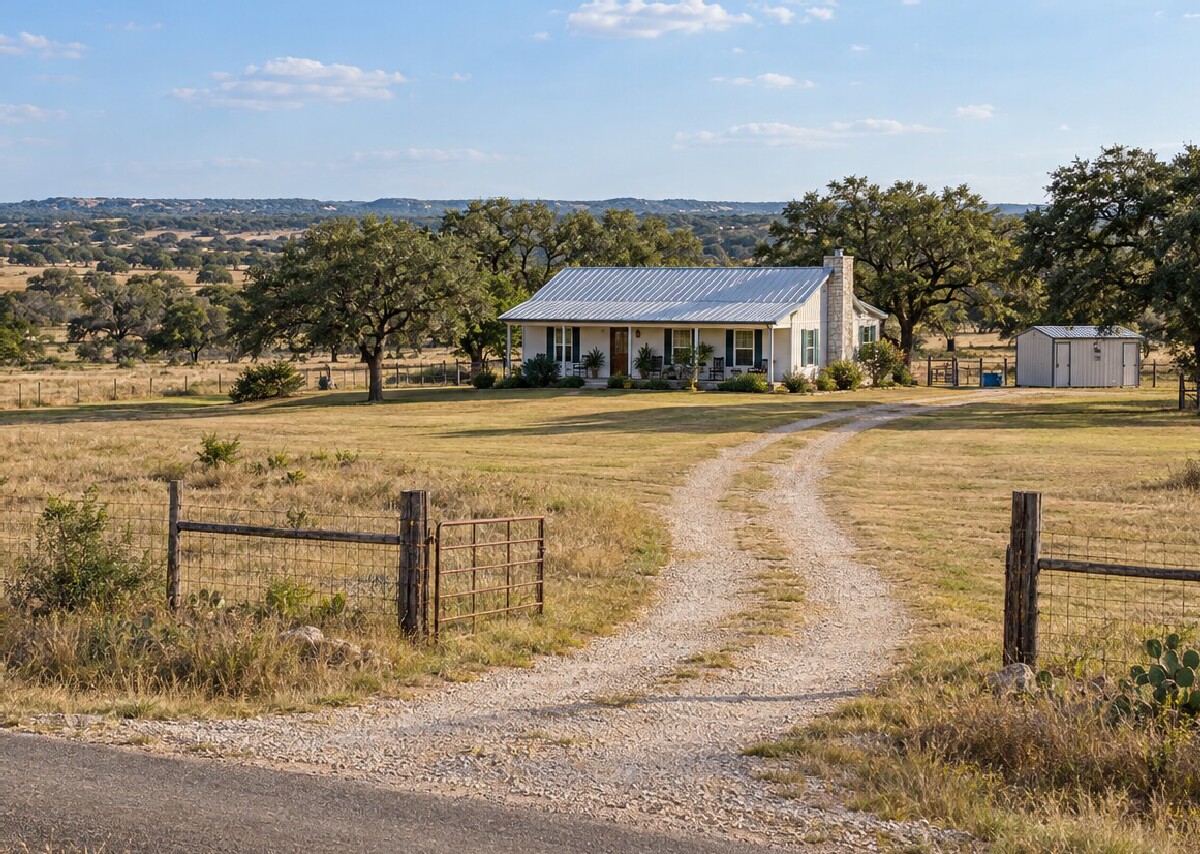
Some homes have limited responding fire-service protection. Underwriters may ask about distance to the responding station, hydrant access, road access and nearby brush or wildfire exposure. Provide accurate details rather than assuming a rural address is uninsurable.
Vegetation management and access improvements can be useful property information, but each insurer determines whether and how these details affect eligibility and pricing.
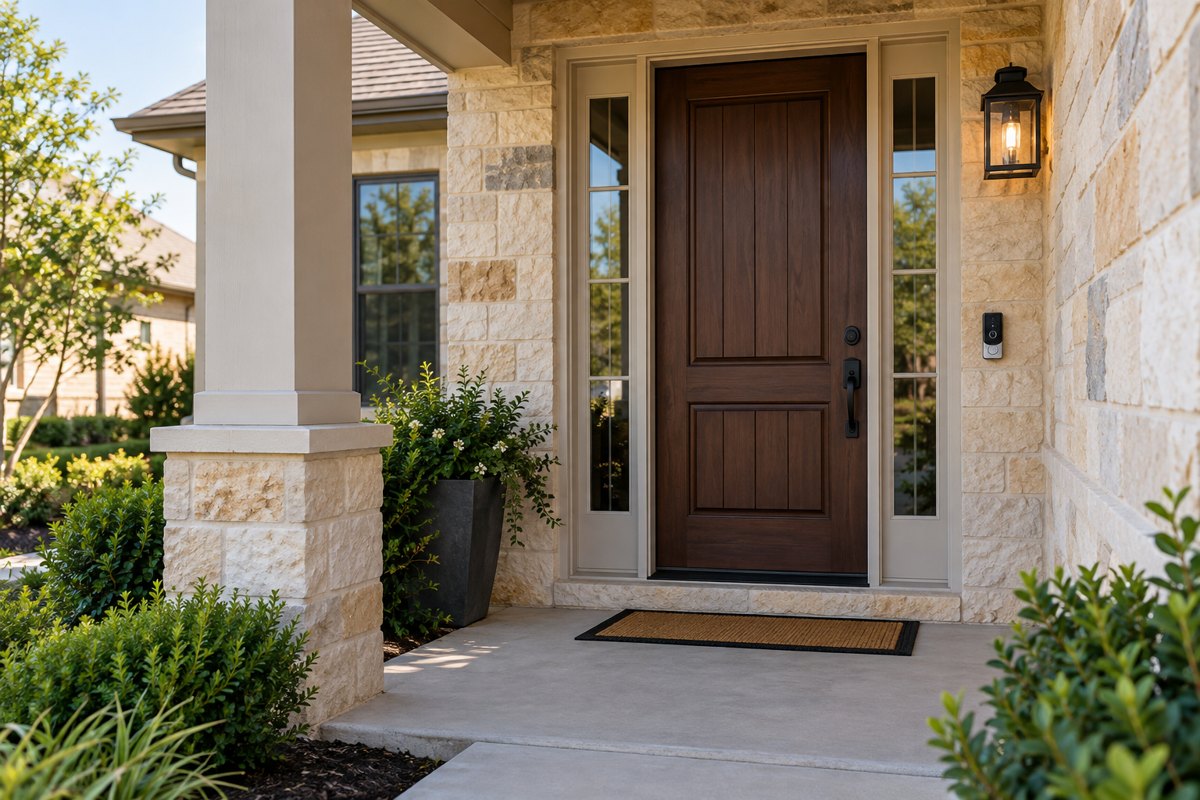
Location, prior theft losses, vacancy and the way a home is occupied can affect underwriting. Security features may be relevant, but do not guarantee a discount or acceptance. Tell us if the property is rented, vacant, under renovation or used seasonally.
A landlord policy and an owner-occupied policy serve different needs. Review landlord coverage or vacant home options when the occupancy calls for them.
Send the details so we can review available property coverage.
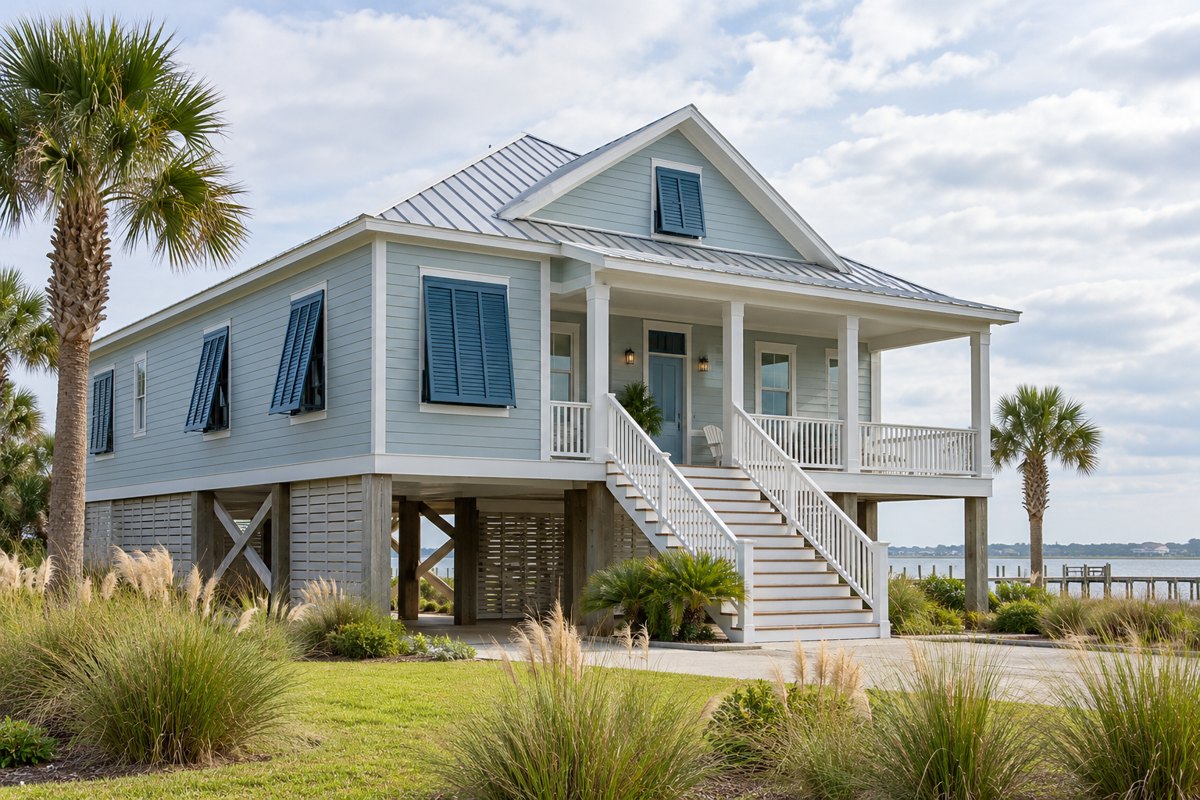
In the designated coastal catastrophe area, TFPA excludes windstorm and hail. A separate wind policy may be needed, subject to eligibility. Private-market quotes also require careful wind review; do not assume a home policy includes every storm exposure.
Flood is another coverage question. Review flood protection separately and include all relevant policy premiums and deductibles when comparing total cost. Ask how effective dates and coverage limits fit together across policies.
Our windstorm coverage and flood insurance pages explain options to discuss with our agency.
Having a few records ready helps us compare the property consistently across available programs. You do not need to guess at missing details; tell us what you know and what needs confirmation.
Explain whether your priority is a limited policy that fits your budget, broader covered losses or specific endorsements. We can compare Texas FAIR Plan alternatives against those needs. Quotes and requests do not bind coverage; confirmation from the agency or insurer is required.
Review Texas homeowners coverage for owner-occupied homes. Condo and manufactured-home submissions need their own property details and underwriting review.

Yes, if another insurer accepts the property and offers suitable coverage. Compare the complete quote, including exclusions, roof settlement, deductibles and effective date. Keep your existing policy in force until replacement coverage is confirmed.
No. The two-year requirement concerns shopping in the voluntary market and obtaining updated qualifying declinations for renewal. It is not an automatic two-year coverage limit. Continued eligibility and underwriting requirements still apply.
TFPA offers a dwelling replacement-cost endorsement on its homeowners policy, subject to requirements, but not on its dwelling policy. Private-market offers also vary. Check dwelling, roof and contents settlement separately rather than relying on the policy name.
It may be, depending on your priorities, budget, lender requirements and available markets. Review the losses you would retain yourself, any excluded coverage, and the cost of separate policies before deciding.
A prior claim does not rule out every insurer. Provide claim dates, causes, amounts and repair records. Repeated losses, open claims and unrepaired damage can affect the markets and terms available.
No. The declines must meet TFPA requirements, and the property must satisfy underwriting and other eligibility rules. A premium increase alone is not a qualifying decline. Current coverage, renewal offers and comparable offers also affect eligibility.
Compare the same property information, coverage amounts and effective date. Then review covered losses, roof and contents valuation, deductibles, water limits, liability, additional living expenses, fees and any separate wind or flood premium.
Compare home, condo, manufactured-home and specialty coverage with Insurance Plus.