Building Coverage
May help cover the insured building, foundation elements, permanently installed systems, electrical and plumbing components, and certain attached items after a covered flood.

Insurance Plus helps property owners compare flood coverage options for buildings, personal belongings, rental properties, condos, and commercial locations. Request a quote or speak with our agency about available flood insurance options.
Major credit cards and EFT/ACH may be accepted depending on provider eligibility, down payment rules, billing plan, and policy type.
Payment plans, escrow handling, mortgagee billing, and automatic payment choices vary by provider.
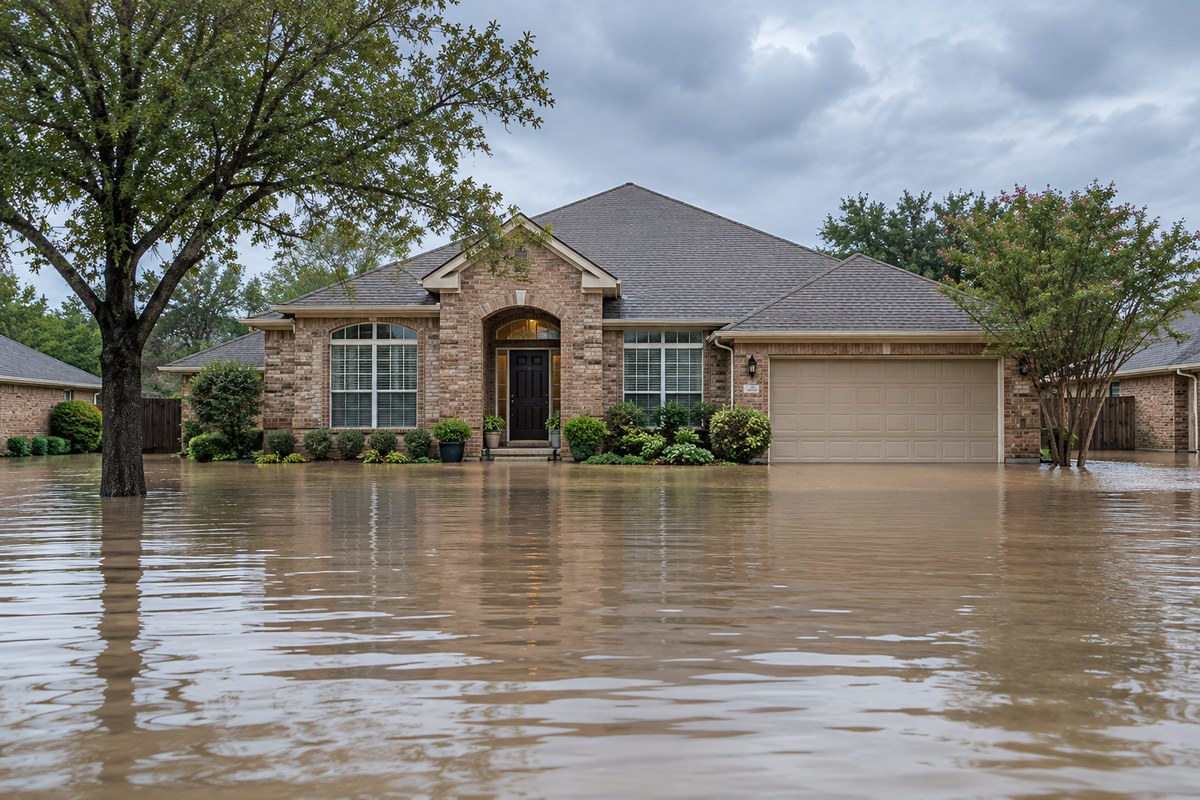
Standard homeowners, landlord, renters, condo, and commercial property policies generally do not cover flood or rising surface water. Flood coverage is usually purchased separately and may respond to direct physical damage caused by an eligible flood event, subject to the selected policy, limits, deductibles, definitions, and exclusions.
Insurance Plus helps property owners review flood insurance in Texas and whether they need building coverage, contents coverage, or both. The right approach depends on ownership, occupancy, property type, flood zone, lender requirements, construction details, and available program or private-market options.

Provide the property address, occupancy, construction, requested limits, lender information, and desired effective date so the available options can be reviewed.
Request Flood QuoteIndependent agency • Property coverage support
Coverage depends on the selected form and provider. Building coverage and contents coverage may be purchased separately or together.
May help cover the insured building, foundation elements, permanently installed systems, electrical and plumbing components, and certain attached items after a covered flood.
May help cover furniture, clothing, electronics, appliances, and other eligible personal property, subject to limits and settlement provisions.
Furnaces, water heaters, electrical panels, central air equipment, and permanently installed components may receive different treatment from movable property.
Coverage may be restricted for property located in basements, below-grade areas, crawlspaces, and certain enclosed areas beneath elevated buildings.
Business buildings, inventory, equipment, and tenant improvements may require a commercial flood policy rather than residential coverage.
Building and contents limits, deductibles, valuation terms, exclusions, and waiting periods should be reviewed before purchase.
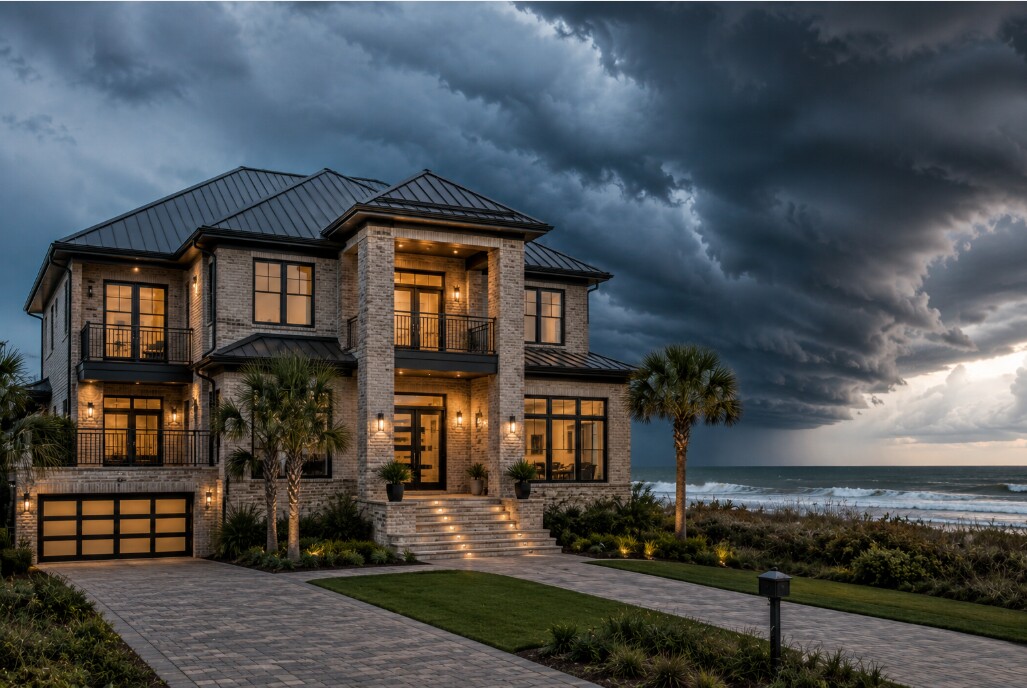
Flood exposure is not limited to the Gulf Coast. Heavy rainfall, overflowing creeks, drainage failures, flash flooding, saturated ground, storm surge, river flooding, and rapid neighborhood development can affect inland and coastal communities.
A property outside a high-risk mapped zone can still experience flood damage. Flood maps are important for lending and risk classification, but they do not guarantee that a property will or will not flood. Local drainage, elevation, nearby construction, topography, and rainfall intensity can change the practical exposure at a specific address.
Flood insurance may be available through the National Flood Insurance Program or through private insurers. Eligibility, limits, underwriting, waiting periods, deductibles, valuation, additional coverage features, and lender acceptance can differ.
A public-program policy may be familiar to lenders and may offer standardized coverage. A private policy may provide different limits, pricing, replacement-cost treatment, additional living expense options, or broader features. The better fit depends on the property, occupancy, flood zone, desired limits, lender, and available market.
Mortgage lenders may require flood coverage when a financed property is located in a designated high-risk flood area. The lender may also require specific limits, mortgagee wording, proof of coverage, and an effective date that matches closing.
Property owners outside a mandatory purchase area may still choose flood protection. A lower mapped risk does not mean zero risk, and lenders may have requirements beyond the minimum standards. The property address, mapping information, elevation, construction, and loan details should be reviewed together.
Ownership and occupancy determine who should insure the building, belongings, or business property.
A homeowner may need building and contents coverage, with limits based on the insured structure and personal belongings.
A landlord may insure the rental building and eligible owner-owned property, while the tenant may need separate contents coverage.
Renters may purchase contents-only flood coverage for eligible personal belongings because the landlord's policy generally does not cover tenant property.
Condo owners should review the association's flood coverage, unit-owner responsibilities, personal property, improvements, and loss-assessment exposure.
Manufactured homes may require review of foundation, elevation, tie-downs, location, age, and eligibility before flood coverage is placed.
Commercial owners and tenants may need coverage for buildings, inventory, equipment, furnishings, and tenant improvements.
Building coverage applies to the insured structure and certain permanently installed items. Contents coverage applies to eligible movable property. A lender may focus on building coverage because the structure secures the loan, but that does not automatically protect furniture, electronics, clothing, and other belongings.
Owners should review whether personal property is covered at replacement cost or actual cash value, whether certain categories have special limits, and whether lower-level property faces restrictions. Landlords should also distinguish tenant property from appliances, furnishings, and equipment owned by the property owner.
Flood policies may not become effective immediately. Waiting periods can vary by program, insurer, transaction, and exception. A new purchase tied to a mortgage closing may receive different timing treatment from a voluntary policy purchased during an ordinary renewal period.
Do not wait until a named storm, tropical system, or major rain event is approaching. Coverage generally must be arranged before flooding begins, and a policy cannot be purchased retroactively for damage that has already occurred.
Accurate property and occupancy details can help identify available programs and avoid delays.
The full address helps identify flood mapping, community participation, local risk details, and provider eligibility.
Slab, crawlspace, pier and beam, elevated construction, enclosure details, and year built may affect rating and eligibility.
Primary residence, secondary home, rental property, vacant building, condo unit, and commercial use may receive different treatment.
Requested limits should reflect the property being insured and should be reviewed separately for the structure and belongings.
Prior declarations, current limits, elevation documents, flood-zone determinations, and prior-loss information may support the review.
Provide the lender, mortgagee clause, closing date, escrow details, and requested effective date when coverage is tied to a transaction.
Flood coverage is one part of a broader property protection plan. These confirmed resources address related residential and commercial needs.
Some buyers need coverage quickly because a lender identified a mandatory flood-insurance requirement. Other owners are replacing an existing policy, evaluating a private alternative, reviewing an escrow change, or choosing voluntary protection after nearby flooding.
The quote review should begin with the actual reason for purchase. Closing deadlines, lender limits, mortgagee wording, waiting periods, elevation information, prior coverage, and requested effective dates can all affect the available route.
Flood protection should fit the ownership, occupancy, and lender situation rather than being treated as an identical add-on for every address.
Flood coverage is most useful when arranged before a storm or emergency. Review building limits, contents limits, deductibles, valuation, waiting periods, exclusions, lower-level restrictions, and claim requirements before the policy is needed.
Flood insurance does not replace homeowners, landlord, renters, condo, windstorm, or commercial property insurance. Each policy addresses different causes of loss and different property interests. Coordinating the coverages can help reduce gaps.
Common questions from property owners
Standard homeowners insurance generally does not cover flood or rising surface water. Flood coverage is usually purchased through a separate policy.
Building coverage applies to the insured structure and certain permanently installed components. Contents coverage applies to eligible movable personal or business property.
A lender may require flood insurance when a financed property is in a designated high-risk area or when the lender's own rules require it. Owners may also purchase coverage voluntarily.
Yes. Properties outside mapped high-risk zones can still experience flooding, and voluntary coverage may be available depending on the address and provider.
NFIP and private policies may differ in limits, deductibles, valuation, waiting periods, additional coverage features, underwriting, price, and lender acceptance.
Many flood policies have a waiting period, although the timing and available exceptions can vary by program, insurer, and transaction.
Renters may be able to buy contents-only flood coverage for eligible belongings because a landlord's building policy generally does not cover tenant property.
Yes. Landlords may be able to insure the rental building and eligible owner-owned contents. Tenants generally need separate coverage for their own belongings.
Yes. Commercial flood coverage may be available for buildings, inventory, equipment, furnishings, and tenant improvements, subject to eligibility and policy terms.
Tell Insurance Plus about the property address, occupancy, construction, requested limits, lender needs, and desired effective date. Contact our Dallas office to review available options and request a quote.