Building Coverage
Coverage may help repair or rebuild covered apartment structures after a covered loss, subject to policy terms, deductibles, and limits.

We help building owners, investors, ownership groups, and property managers review Texas apartment building insurance options for multifamily rental properties, landlord liability, loss of rents, larger apartment complexes, and harder-to-place Texas risks.
Major cards, EFT, and ACH payment options may be available depending on provider eligibility.
Billing plans and down payment requirements vary by provider.
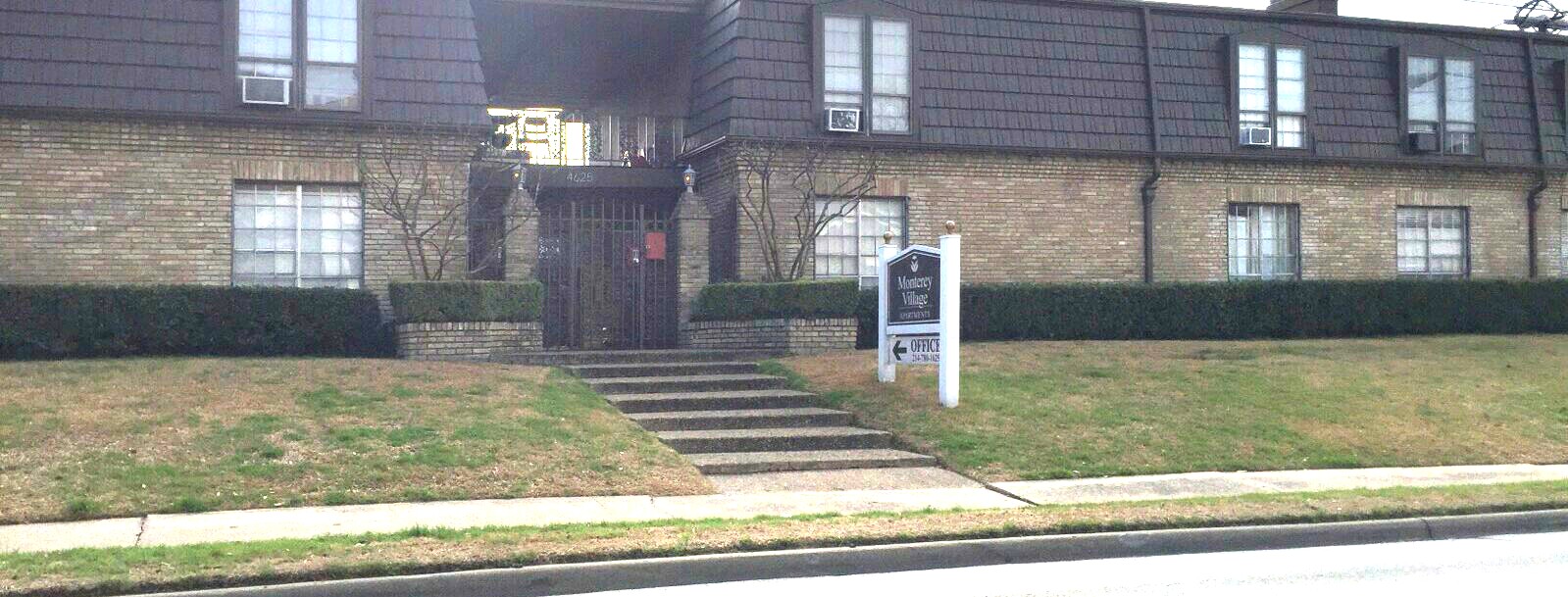
Quote options for 5–20 unit apartment buildings and smaller multifamily rental properties.
Request Small Building QuoteCoverage review for 20–75 unit multifamily properties, ownership groups, and professionally managed buildings.
Request Multifamily QuoteInsurance review for larger apartment complexes, multiple buildings, larger schedules, and more complex underwriting profiles.
Request Complex QuoteProperty address, number of units, year built, roof age, claims history, occupancy, and current coverage details can help speed up review.
Apartment buildings present underwriting considerations that go well beyond smaller rental homes. Building values, shared common areas, multiple tenants, maintenance obligations, liability exposure, ownership structure, and income dependency can all materially affect how coverage should be reviewed.
A five-unit apartment building, larger multifamily property, or apartment complex may need broader property protection, landlord liability review, loss of rents considerations, ordinance or law discussion, equipment-related exposures, and location-specific underwriting evaluation depending on the risk.
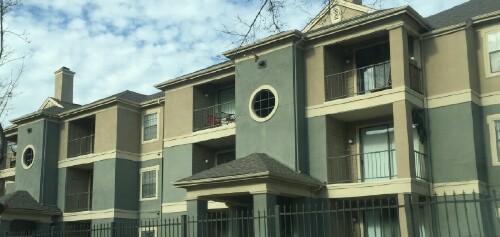
Request a quote online or speak with Insurance Plus about multifamily property coverage, apartment complex insurance options, and broader commercial property risk review.
Request Apartment QuoteSame-day review may be available • Texas statewide assistance
Coverage options for apartment buildings can vary based on building size, ownership structure, location, provider underwriting, and selected policy design.
Coverage may help repair or rebuild covered apartment structures after a covered loss, subject to policy terms, deductibles, and limits.
May help protect ownership against covered bodily injury or property damage claims connected to apartment building operations.
Coverage may help address lost rental income when covered property damage makes units temporarily unusable.
Stairways, walkways, parking areas, laundry rooms, entrances, and shared spaces can create additional liability considerations for apartment ownership.
Detached garages, fencing, signage, storage buildings, maintenance structures, and certain equipment-related exposures may also need review.
Some ownership-focused programs may help address covered tenant-caused damage exposures affecting the property owner, depending on form and eligibility.
Apartment buildings present substantially different coverage considerations than single-family rental homes or small duplexes. As the number of units increases, so do the potential liability exposures, building values, maintenance responsibilities, tenant activity, and underwriting requirements. Commercial apartment properties are typically evaluated using different underwriting guidelines than smaller residential rental properties.
| Rental House | Apartment Building |
|---|---|
| Usually one to four rental units | Often five or more rental units |
| Typically simpler residential underwriting | Frequently subject to commercial underwriting |
| Few or no shared common areas | Shared walkways, parking, stairs, and other common areas |
| Lower tenant density and operational complexity | Greater tenant density and operational exposure |
| Smaller building and income values | Larger property values and rental-income exposure |
Larger apartment buildings often involve multiple occupied units, common areas, parking facilities, sidewalks, stairwells, laundry rooms, recreational areas, and other shared spaces that increase operational exposure compared to a typical rental home.
Apartment buildings are frequently evaluated under commercial underwriting guidelines that consider construction, occupancy, management practices, maintenance, loss history, protection class, and property condition in greater detail.
Many apartment owners also review ordinance or law protection, loss of rents, equipment exposures, liability limits, replacement cost valuation, deductible strategy, and other commercial coverage considerations based on their property's characteristics.
Because every apartment property is different, there is rarely a one-size-fits-all insurance solution. Building size, occupancy, ownership structure, management approach, maintenance history, geographic location, and underwriting appetite can all influence available coverage options and pricing. Reviewing these factors before requesting a quote often produces a more accurate insurance proposal and helps identify potential coverage gaps before a loss occurs.
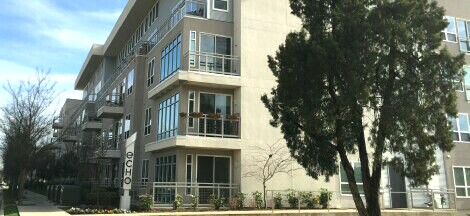
Serving Texas since 1997 • Licensed independent insurance agency
Apartment building underwriting can be more complex than smaller rental property placement because multiple units, shared spaces, maintenance demands, liability exposure, and larger insured values create broader risk evaluation.
Building age, roof condition, electrical and plumbing updates, prior losses, occupancy stability, deferred maintenance, renovation activity, ownership structure, and overall property management practices may all affect available coverage options.
An apartment building quote can depend on much more than square footage alone. Underwriters may evaluate property address, number of units, number of buildings, construction type, year built, roof age, occupancy, protection class, fire suppression features, claim history, and selected coverage structure.
Ownership details can also matter. Individual ownership, LLC ownership, partnerships, investment groups, and professionally managed properties may present different underwriting considerations depending on the insurer and complexity of the apartment risk.
Smaller apartment buildings, mid-size multifamily properties, and larger apartment complexes may each fit different underwriting appetites. Some carriers focus on smaller schedules, while others are better aligned with larger ownership groups, professionally managed risks, or more complex multifamily placement situations.
We offer placement options for apartment building owners who need standard coverage, broader commercial property structuring, or harder-to-place underwriting review because of property complexity, scale, ownership structure, or geographic risk considerations.
If you are comparing apartment building insurance quote options, it helps to align the property with carriers that understand multifamily exposures instead of treating the risk like a small rental home.
Apartment building ownership is not always simple. Coverage strategy can vary depending on whether the property is individually owned, held in an LLC, operated through partnerships, owned by investor groups, or managed by third-party property management firms.
Some apartment properties are directly owned and actively managed by individual investors or owner-operators.
Multi-owner apartment properties may involve more documentation, liability review, and underwriting detail depending on the insurer.
Third-party management, maintenance oversight, leasing operations, and reporting structures can all influence underwriting review.
Review local landlord coverage information for rental properties in The Woodlands, Pearland, Flower Mound, Cypress. Unit count, occupancy, condition, and the selected policy determine which coverage options may be available.
Some apartment properties are simply more difficult to place because of underwriting complexity, building condition, prior losses, operational concerns, or location-specific risk factors. That does not automatically mean coverage is unavailable, but it may require access to broader markets and more specialized underwriting review.
Older apartment buildings, incomplete updates, aging roofs, electrical concerns, plumbing issues, and deferred maintenance can narrow standard market options.
Prior losses, unstable occupancy, partial vacancy, active renovations, or distressed property transitions may create more complex underwriting review.
Certain geographic areas may present tougher underwriting because of higher-loss history, protection class limitations, urban exposure factors, weather risk, or broader location-based carrier restrictions.
These resources explain common coverage, cost, and unit-count questions. If you own several separate rental properties rather than one apartment building, use our rental portfolio resource instead.
Review building coverage, liability, loss of rents, ordinance or law, and information insurers commonly evaluate.
Read the GuideSee how building value, construction, location, occupancy, claims, deductibles, and coverage choices can affect pricing.
Review Cost FactorsUnderstand why a five-unit or larger property may be underwritten differently from a 1–4 unit rental property.
Read the 5+ Unit GuideSeveral homes or small rental properties at different addresses have a different insurance structure than one apartment building.
Insurance for Multiple Rental PropertiesCommon questions from apartment building owners, investors, and multifamily decision-makers comparing quote options.
Coverage may include building protection, landlord liability, common area exposure, loss of rents, and other ownership-focused protections depending on policy structure, selected endorsements, and provider eligibility.
Yes. Larger apartment complexes, multi-building schedules, and professionally managed multifamily properties may be eligible for review depending on size, underwriting profile, and market availability.
Some harder-to-place apartment properties involving prior claims, location concerns, building condition issues, or more complex underwriting factors may still have placement options.
Some ownership-focused programs may include coverage considerations for certain tenant-caused damage exposures affecting the property owner, subject to policy terms and insurer eligibility.
Property size, building age, location, claims history, occupancy, ownership structure, updates, selected coverage, and underwriting complexity can all influence quote outcomes.
Yes. Apartment buildings owned by LLCs, partnerships, investment groups, or other business entities may be considered. The insurer will review the named insured, ownership structure, management arrangements, and property details.
Property address, building and unit counts, construction details, year built, roof age, system updates, occupancy, prior coverage, claims history, and desired limits can help make the underwriting review more efficient.
Whether you own a smaller apartment building, mid-size multifamily property, or larger apartment complex, we can help you find coverage and quote options across Texas.