Texas DP1 Landlord Insurance for Rental Homes
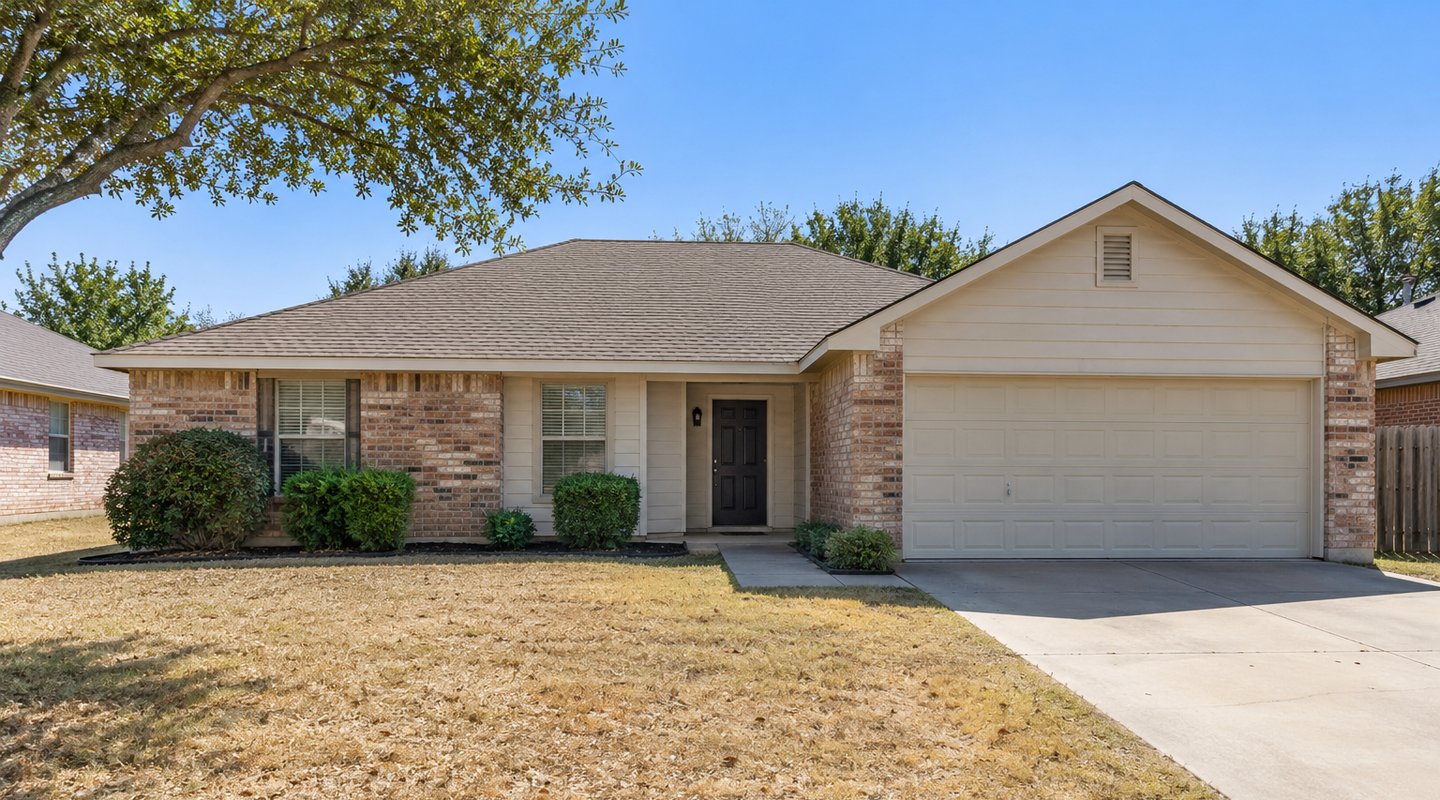
DP1 is a basic dwelling property form often considered for certain rental homes, investment properties, and landlord risks where more limited named peril coverage may be appropriate. Some owners choose DP1 landlord insurance when balancing cost, underwriting fit, and basic structure protection.
Major cards, ACH, EFT, and escrow billing options may be available by provider.
Get a Texas DP1 quote
Basic named peril dwelling coverage options for selected rental homes, investment properties, and landlord risks.
Get Texas DP1 QuoteNeed to compare DP1, DP2, and DP3?
Dwelling forms differ based on property condition, occupancy, roof age, underwriting eligibility, and coverage goals.
Call 214-351-4097Need broader landlord protection?
Some rental homes and investment properties may benefit from broader landlord dwelling forms depending on the property profile.
Explore DP3DP1 vs DP2 vs DP3 landlord insurance comparison
Choosing between DP1, DP2, and DP3 often depends on property condition, occupancy, budget, roof age, claims history, and the level of protection a landlord wants for the rental property. DP1 is generally viewed as a more basic named peril dwelling form.
Basic dwelling protection
- Named peril coverage orientation
- Often selected for basic fire-related protection
- Lower-cost positioning in many situations
- Eligibility varies by underwriting market
Middle-ground dwelling form
- Broader than many basic dwelling forms
- Named peril structure
- May fit selected landlord risks
- Coverage varies by carrier form
Broader landlord protection
- Often selected for stronger dwelling coverage
- Popular for rental homes and investors
- Loss of rents may be available
- Replacement cost options may be available
Named peril landlord coverage explained
One of the most important differences between landlord dwelling forms is how covered causes of loss are handled. DP1 policies are generally structured around named peril protection, meaning coverage typically applies to specifically listed causes of loss rather than broader all-risk style protection.
Named Peril Structure
Named peril coverage generally applies only when the cause of loss is specifically listed in the policy form. If the event is not included, the claim may not qualify.
This structure can make sense for selected landlord risks where narrower coverage fits the property profile and budget goals.
Basic Coverage Positioning
DP1 is often viewed as a more basic landlord dwelling form compared with broader DP2 or DP3 alternatives.
Eligibility, endorsements, and actual protection depend on carrier form, underwriting approval, and property condition.
Who typically considers DP1 coverage?
Cost-Conscious Landlords
Some landlords looking for more basic dwelling protection may consider DP1 when balancing premium goals and underwriting fit.
Selected Older Rental Properties
Certain older rental homes may fit basic dwelling programs depending on roof age, systems, occupancy, and underwriting acceptance.
Limited Coverage Scenarios
Some property owners may intentionally choose narrower coverage structures when broader landlord protection is not the objective.
Basic landlord dwelling coverage for selected property risks
Texas landlords sometimes evaluate DP1 dwelling coverage for rental homes where a more limited named peril policy structure may align with underwriting conditions, property age, occupancy, or budget objectives. This can be relevant for some investor-owned houses, rental property transitions, or selected non-owner occupied risks.
Texas weather, wind, hail, plumbing losses, vacancy periods between tenants, and property condition all influence how landlord risks are evaluated. Coverage, eligibility, exclusions, and available endorsements vary by insurance company.
Owners comparing DP1 rates should also evaluate whether broader dwelling protection through DP2 or DP3 may better match the exposure profile of an income-producing property.
Common landlord claim situations to review
Fire and Smoke Losses
Fire-related damage is one of the classic exposures landlords review when evaluating basic dwelling property forms.
Wind and Hail
Texas wind and hail claim handling can vary depending on policy form, deductibles, endorsements, and carrier underwriting structure.
Vacancy Between Tenants
Rental property vacancy periods can affect underwriting eligibility and claim treatment depending on policy language.
Water Damage Events
Sudden water losses may be evaluated differently from ongoing leakage, maintenance issues, or long-term seepage situations.
Property Condition
Roof age, plumbing, wiring, heating systems, and overall upkeep often affect available landlord insurance options.
Coverage Review
Reviewing exclusions, deductibles, endorsements, and liability needs helps align protection with rental property exposures.
Frequently asked questions
What is a DP1 landlord Policy?
DP1 is a basic dwelling property form commonly associated with named peril protection for selected rental homes, landlord risks, and certain non-owner occupied property situations.
Is DP1 less broad than DP2 or DP3?
Generally yes. DP1 is commonly viewed as a more basic landlord dwelling form compared with broader alternatives, depending on carrier forms and endorsements.
Can same day DP1 coverage be available?
Yes, some qualifying rental properties may be eligible for same day coverage subject to underwriting approval and required information.
Does DP1 cover tenant belongings?
No. Tenant personal property is generally not covered under landlord dwelling policies. Tenants should carry renters insurance for their own belongings.
Can older rental homes qualify?
Sometimes. Qualification depends on roof age, plumbing, wiring, condition, claims history, occupancy, and underwriting acceptance.
Does DP1 include landlord liability coverage?
Liability protection may be included or available depending on policy form, carrier structure, underwriting approval, and selected coverage options.
Does DP1 cover water damage?
Some water-related claims may be handled differently depending on the cause of loss, policy terms, exclusions, and available endorsements.
Can detached garages or other structures be covered?
Other structures such as detached garages, sheds, or fences may be reviewed depending on the policy form and selected limits.
Ready to compare Texas DP1 landlord insurance options?
Compare landlord dwelling options for rental homes, investment properties, and selected non-owner occupied risks with an independent Texas insurance agency.