Independent agency · Serving Texas since 1997214-351-4097
Insurance Plus
Central Texas rental-property owners

Round Rock landlord insurance for rental owners

Review Round Rock landlord insurance quotes by location, including the roof, current occupancy and ownership at each rental. A combined premium should not hide different limits or water exclusions. Our Dallas office helps owners compare available terms for single houses and expanding accounts.

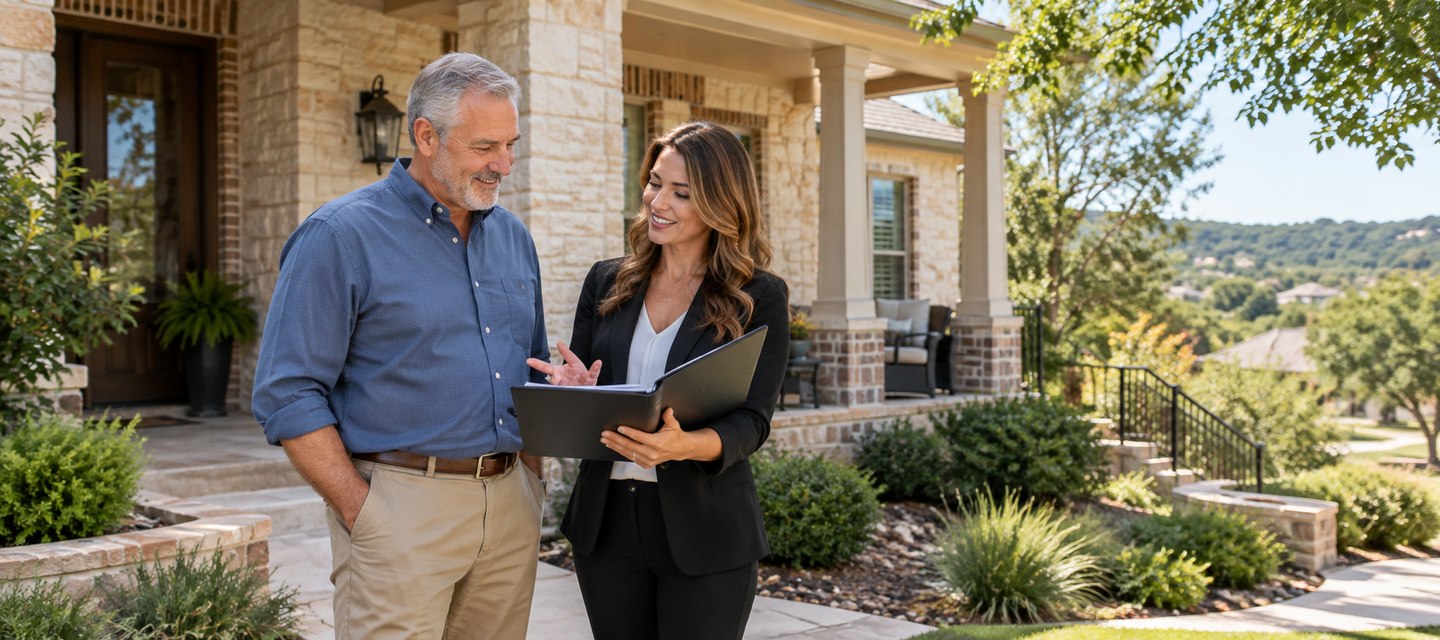
An owner reviewing Round Rock landlord insurance with a property manager outside a rental home

Payment & billing options

Methods and installment plans vary by carrier. A quote request does not take payment or bind coverage.

Round Rock rental property insurance for the building you own

An owner with several Central Texas rentals needs an accurate schedule for each house rather than a portfolio total alone. Keep roof dates, construction, mortgages and current tenants tied to individual addresses.

For Round Rock rental property insurance, provide the building’s year, size, construction and actual unit arrangement. List ownership and mortgage interests rather than carrying forward a prior owner’s assumptions.

The city provides floodplain resources for owners assessing creek and drainage exposure. Use them to ask address-specific questions while comparing the proposed building contract and any separate flood option.

A completed renovation and a planned improvement are different facts. Explain current roof and system condition, separate structures and any shared areas before comparing valuation and liability terms.

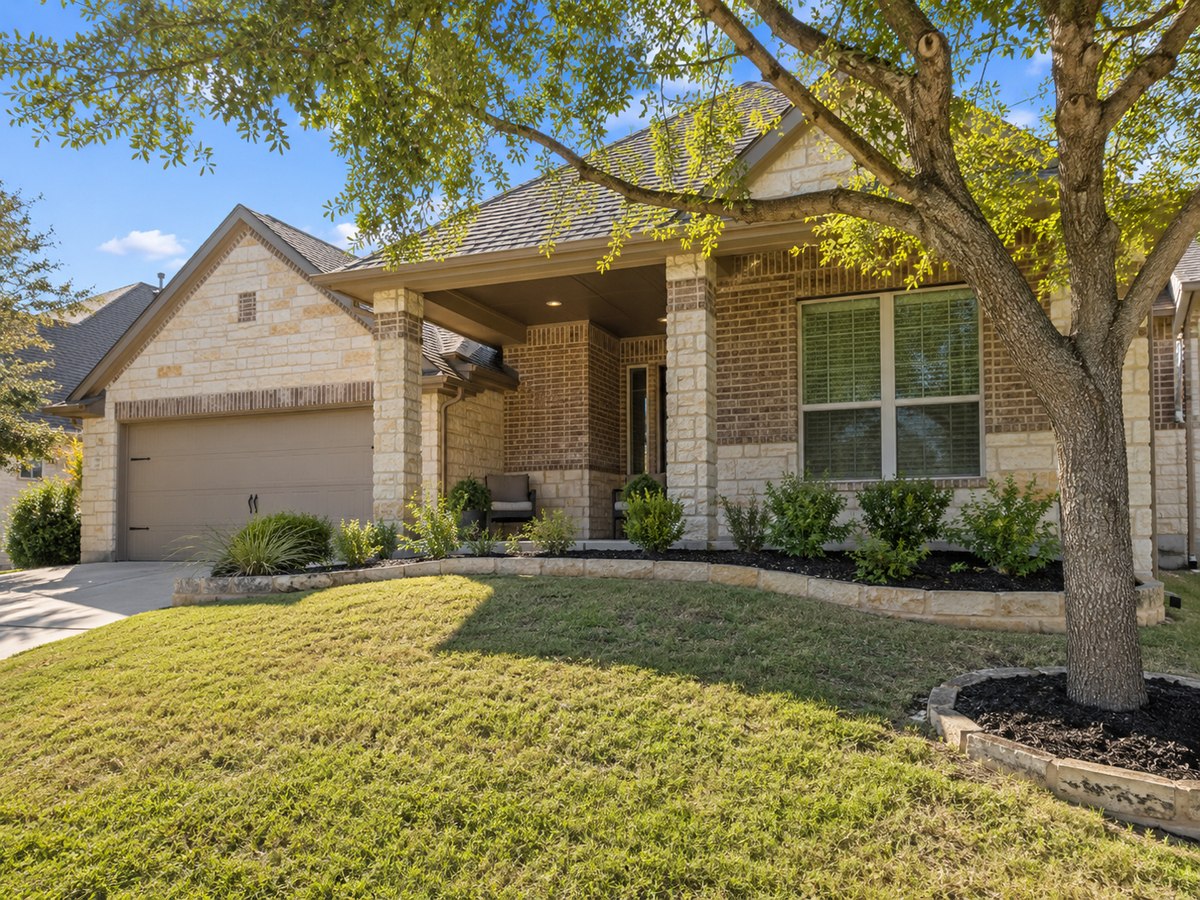
A maintained rental building illustrating Round Rock rental property insurance considerations
Describe the actual structure and leased units. Property imagery is illustrative, not a specific listing.

Keep the rental arrangement and the maintenance records current

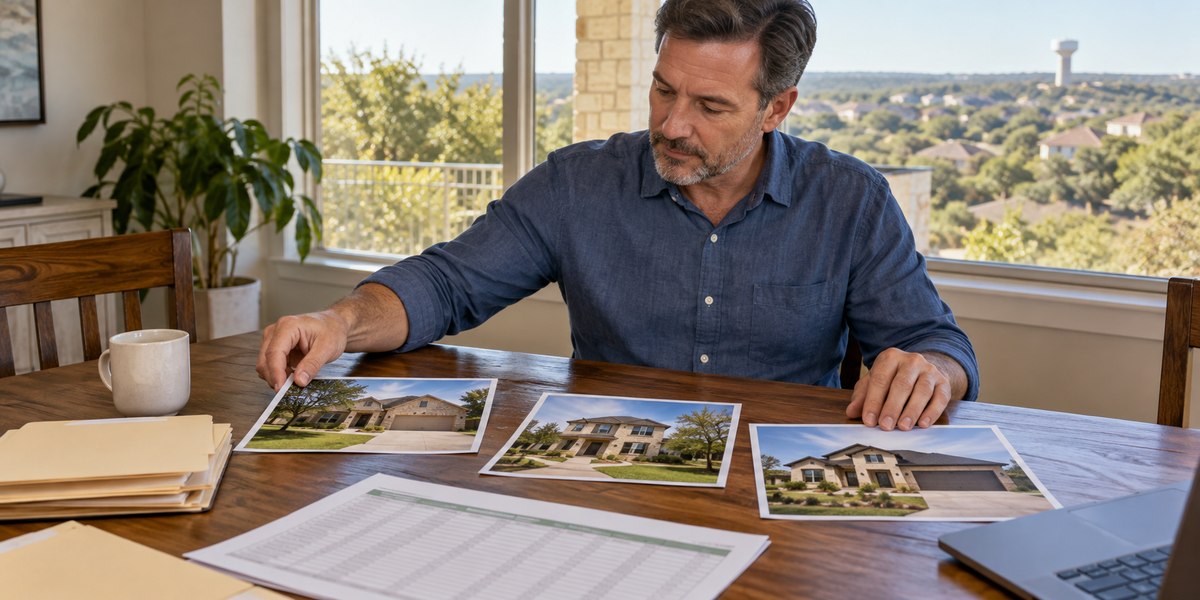
A rental owner organizing a location schedule for several houses

Several locations and a usable building schedule

A portfolio can include an occupied house, another awaiting tenants and one under renovation. Keep each status current. Common ownership or management does not make every location eligible for the same program.

Keep Round Rock rental property insurance aligned with occupancy and ownership changes. Report the current arrangement before assuming the original terms remain appropriate.

Provide actual ownership names and lender interests with a location schedule. An entity change or acquisition should be reported; a spreadsheet prepared for rent collection may omit facts required for insurance review.

Review building limits and any eligible income benefit at each address. Do not let a portfolio premium conceal different roof settlement, deductibles or excluded causes at one property.

An owner and contractor documenting completed repairs between tenants

Inspection records through a change of tenants

Maintain separate condition files for each address on an account. One house may be occupied while another is waiting for roof work or a new tenant. A combined invoice total is not a current occupancy schedule.

Record completed repairs with dates, contractor details and photographs. Explain work still underway and any disconnected utilities at the relevant building. Do not apply one property’s updates to another.

When an acquisition or sale changes the schedule, reconcile ownership and lender interests as well as the maintenance record. Review the account against the buildings actually owned rather than a prior renewal list.

Read the vacant rental-property guide →

Review roof and major-system information with the repair schedule. Inspection requirements, settlement conditions and maintenance obligations are separate questions; meeting one does not establish automatic coverage for all damage.

Review rising water independently of the building policy

A rental near a creek and a house elsewhere in the city should not share a water-risk assumption. The municipal floodplain resource supports investigation of the actual premises, including mapped areas and other potential flooding concerns.

Look at the site and the building together: roof runoff, gutters, low entries and drainage paths can raise different questions from accidental plumbing discharge. Record previous damage and repairs rather than deciding from a dry-weather viewing.

Request an explicit comparison of wind/hail deductibles, roof settlement and water exclusions. Separate flood protection has its own insured property, dates and terms. A drainage project or no lender demand does not guarantee an address will remain dry.

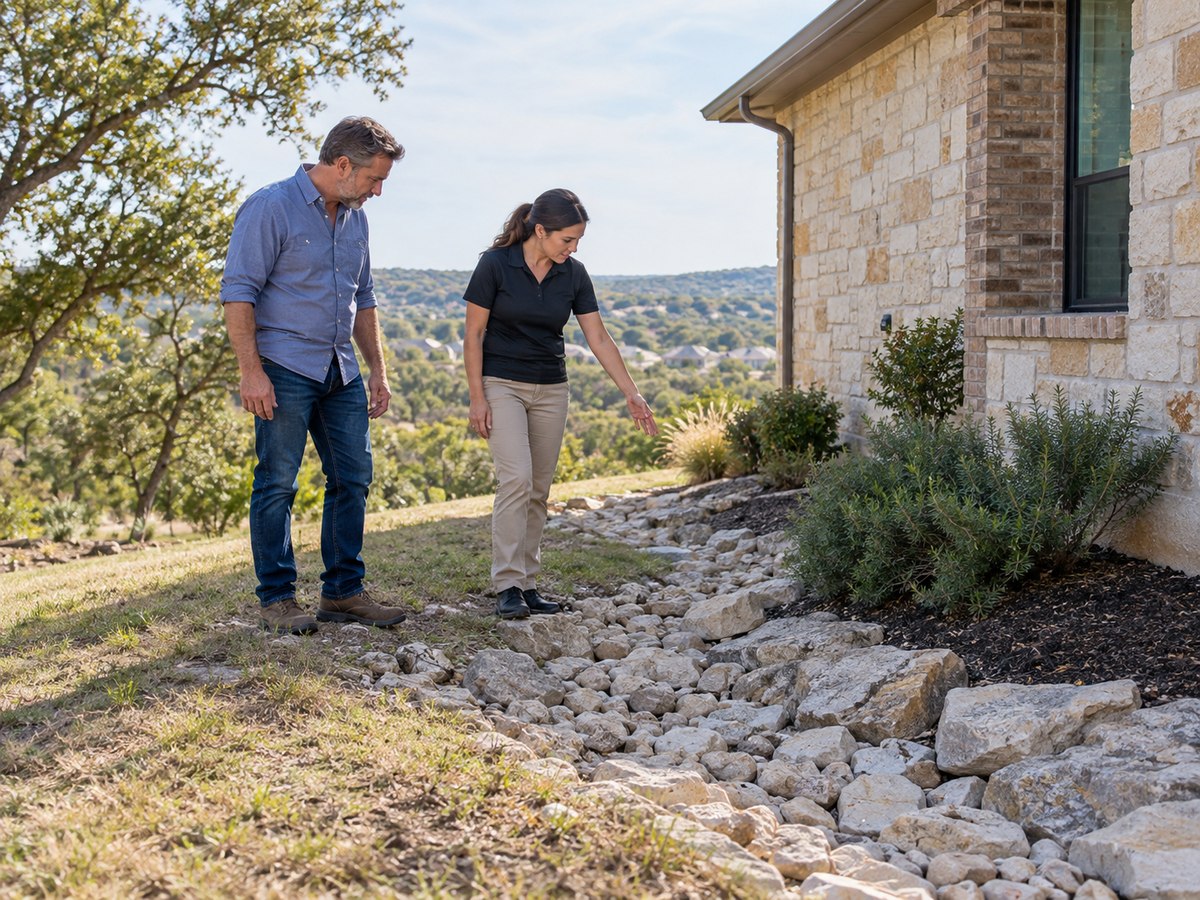
An owner checking drainage paths and low entries at a Central Texas rental
Illustrative property review; the photograph does not document a particular weather loss.

Use an official address resource

The local flood, drainage or weather resource can help organize questions about the premises. Check the specific site and available records; do not infer an individual property’s risk or eligibility from a citywide description. Mapping and prevention information do not replace the wording of a proposed insurance contract.

Compare the terms that affect a covered loss

Review every address on an account

Organize building limits, roof dates, deductibles, occupancy, owner entities and mortgages by location. Include any separate contracts so the total premium does not hide a different restriction or uninsured cause at one property.

Locations may be reviewed together without qualifying for identical forms or carriers. Explain additional buildings and current tenants accurately. A new purchase, sale or vacancy should update the schedule rather than wait for the next annual comparison.

Connect rent protection to covered damage

Eligible loss-of-rents coverage generally concerns income interrupted when covered property damage makes the rental unusable. It is different from an ordinary missed payment, eviction or the usual search for a new tenant.

Compare the triggering cause, dollar limit and covered repair period. Keep leases and rent records available. If building, wind and flood protection are split, identify which contract supplies any income benefit; a limit under one policy does not establish it under another.

Landlord insurance for Round Rock rentals: review your options

Collect the current declarations, building description and inspection findings. Identify every leased unit, separate structure and ownership interest on the submission.

Provide roof and major-system records with the loss history. Distinguish an open repair issue from completed work and tell the agency about vacancies, utilities or changed use.

Our Dallas office helps owners review Round Rock landlord insurance for eligible residential rentals. Insurance Plus has served Texas since 1997 and can explain available proposals and required information.

Same-day markets are available for eligible rentals, subject to underwriting approval and binding requirements. A form requests a review; it does not issue a policy. Confirm approval, agreed terms, effective dates and required payment before relying on coverage.

A property owner comparing building records and proposed coverage with an agency representative
Organized building, occupancy and ownership records support a clearer proposal comparison.

A schedule that distinguishes the occupied and empty houses

Imagine an owner adding a house while another rental is between tenants. List both locations separately, with the current utility status and remaining work. A combined account total should not hide the empty premises.

Record invoices, dates and inspection access so the agency can ask the right market questions. If the owner uses different managers, explain their roles rather than assuming one agreement applies across the account.

At renewal, reconcile the current buildings against the declarations and endorsements. Additions, sales, new ownership and occupancy changes should be reviewed before the next term rather than discovered only after a loss.

Nearby cities and communities

We also help rental-property owners in these nearby communities.

PflugervilleService area
HuttoService area
GeorgetownService area
Cedar ParkService area
Brushy CreekService area
Austin landlord insuranceView city coverage →

Questions before choosing coverage

Can one schedule contain different coverage terms?

Yes. Properties reviewed together can require different forms, deductibles or carriers. Keep roof, valuation and occupancy information by address and compare the actual proposals rather than only the account premium.

Do drainage improvements eliminate a flood review?

No. Regional projects and mapping support investigation but do not guarantee an individual rental will remain dry. Consider the site and separate flood terms, including insured property and effective dates.

Can roof settlement differ from the building’s valuation?

Yes. Read the actual roof endorsements, any depreciation or payment schedule, deductible and replacement-cost conditions separately. A broad dwelling description does not establish identical treatment for the roof.

Are owner-provided appliances automatically included?

Do not assume they are. List the appliances, furnishings and equipment supplied with the rental and review the relevant insured-property limits, exclusions and valuation. Tenant belongings are a separate interest.

Where does the agency provide assistance?

Our Dallas office serves owners throughout Texas at 214-351-4097. The physical office is 2626 Cole Ave #300, Dallas, TX 75204. Other city pages describe service areas, not separate branches.

Is same-day coverage available for every application?

Same-day markets are available for eligible rentals, subject to underwriting approval and binding requirements. A quote request does not itself issue coverage. Confirm agreed terms, effective dates and any required payment before relying on a policy.

Review the rental you own

Our Dallas office serves owners throughout Texas. Call 214-351-4097 or choose the appropriate quote form.

Quote · 1–4 unitsQuote · 5+ units