
Why 60 days gets attention
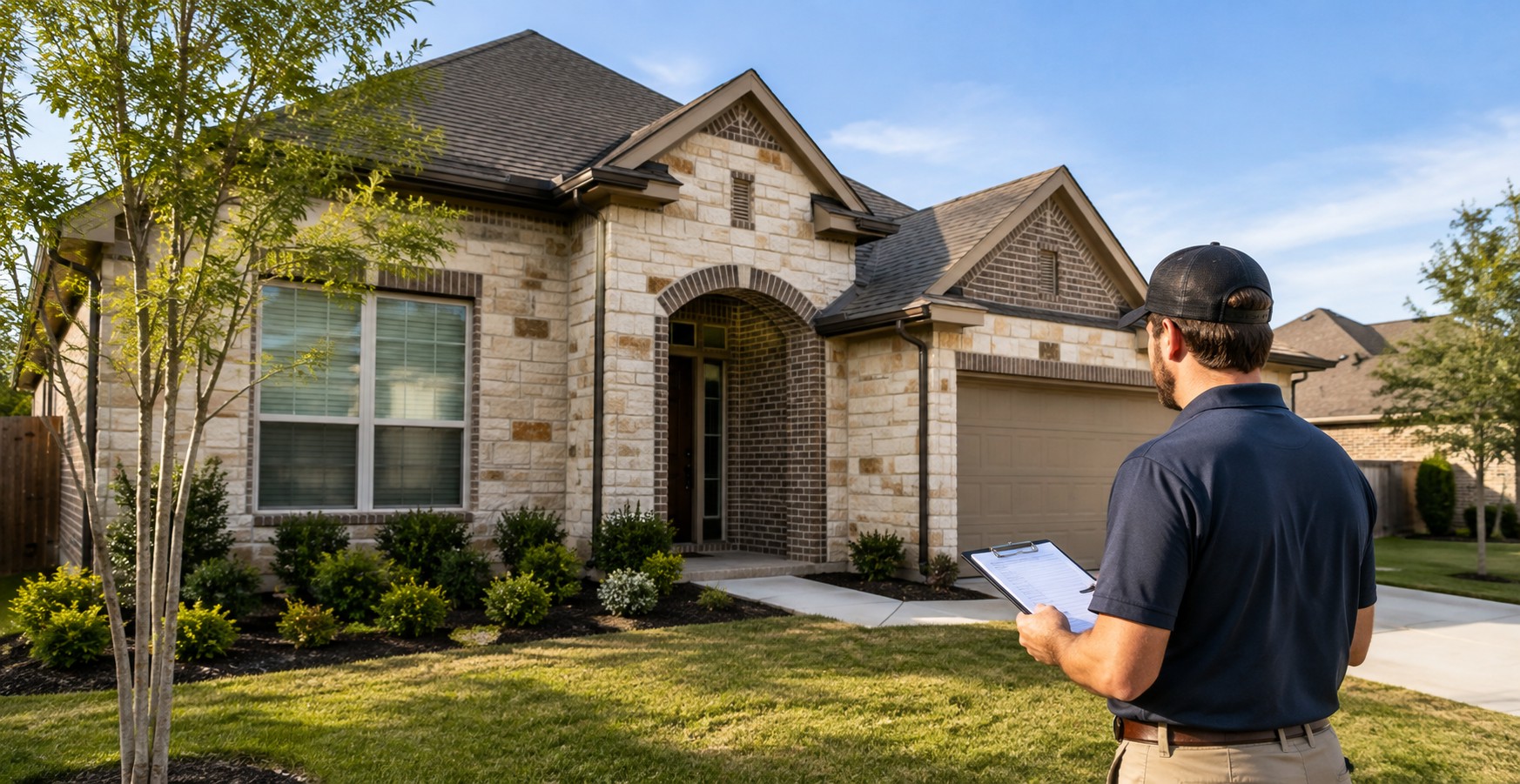
Vacant homes can present different theft, vandalism, water, fire and maintenance risks than occupied homes. Some policies restrict or stop particular coverage after a defined vacancy period. The exact definition of vacancy and the policy wording control.
Vacant is not always the same as unoccupied
Policies can distinguish between a home that is temporarily unoccupied and one that is vacant. Furniture, utilities, renovation work and the owner’s intent can matter. Describe the property exactly as it exists rather than choosing a label yourself.
Before the home becomes vacant
- Tell the insurer or agent when occupants will leave.
- Ask how the policy defines vacancy and unoccupancy.
- Ask which coverages change and on what date.
- Explain whether the property is for sale, inherited, under renovation or between tenants.
- Keep inspection, maintenance and renovation records when applicable.
If the property will be sold or renovated
A home awaiting sale or undergoing work may need a different policy than an occupied residence. The correct approach depends on occupancy, condition, scope of work and intended use after the work is finished.
Is a Texas property vacant now?
Insurance Plus works with vacant-home and vacant-dwelling risks and can review available options based on the property’s present occupancy and condition.