
Dwelling Coverage
May help repair or rebuild the main home after a covered loss, subject to the policy limit, deductible, covered cause of loss, exclusions, and claim conditions.
We help Celina homeowners review coverage for rapidly growing North Texas neighborhoods, new construction, higher-value homes, roofs, belongings, liability, other structures, deductibles, and replacement cost. Request a quote online or call our Texas agency for help.
Major credit cards and EFT/ACH may be accepted depending on provider eligibility, down payment rules, billing plan, and policy type.
Payment plans, escrow handling, mortgagee billing, and automatic payment choices vary by provider.
A policy is often requested because a lender needs evidence of insurance before closing, but the coverage should be reviewed for more than the mortgage requirement. A Celina home may need protection for the dwelling, detached structures, your personal belongings, personal liability, medical payments, and additional living expenses after a covered loss. The limits, deductibles, roof provisions, water limitations, and optional endorsements can matter just as much as the price.
Insurance Plus helps homeowners look beyond the basic proof requirement and think through how the property is used, how the home is built, what updates have been completed, and what local risks may affect the quote. The goal is to help match the property to the right available coverage route without confusing owner-occupied home coverage with condo, mobile home, vacant property, or landlord coverage.

Share the property details online or call Insurance Plus. We can help review what information may be needed before a quote can be completed.
Get a QuoteLocal agency support • Property coverage options
Your home's policy can include several coverage parts. Availability, limits, deductibles, endorsements, roof terms, and eligibility rules vary by property and provider. We help Celina homeowners review the major pieces so you get the right coverage for your needs.
May help repair or rebuild the main home after a covered loss, subject to the policy limit, deductible, covered cause of loss, exclusions, and claim conditions.
May help cover furniture, clothing, electronics, appliances, and other belongings damaged or stolen after a covered event, depending on policy terms.
May help respond to certain covered liability claims involving bodily injury or property damage to others, including defense costs where covered.
May apply to detached garages, fences, sheds, and similar structures on the residence premises, subject to the policy form and selected limit.
May help with additional living expenses if a covered loss makes the home temporarily unlivable and the policy conditions are satisfied.
Wind and hail deductibles, water backup, jewelry limits, equipment breakdown, roof settlement, and other details should be reviewed before choosing coverage.
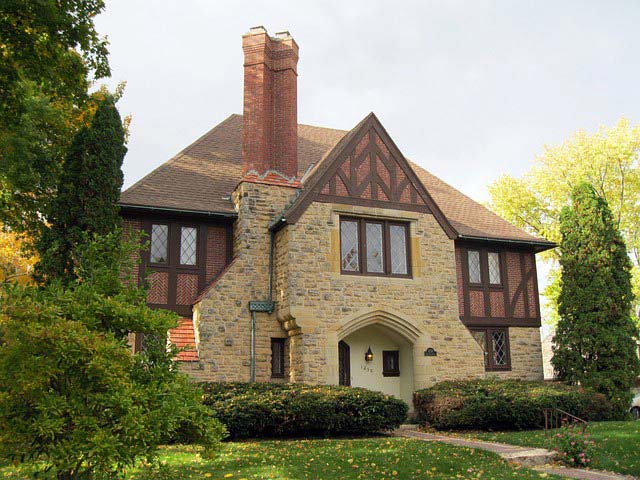
Celina is adding homes at an unusually fast pace, but newer construction does not make every insurance decision automatic. Dwelling limits should reflect rebuilding cost rather than purchase price, while roof material, roof geometry, wind and hail deductibles, exterior finishes, pools, detached structures, solar equipment, and other property features can affect the quote. North Texas thunderstorms, large hail, damaging wind, tornadoes, and flash flooding also make it important to understand what the policy covers and which losses may require separate protection.
Celina includes established properties near its historic core, master-planned communities, high-value newer homes, and properties near the city's expanding development edge. The City of Celina continues to report substantial single-family construction activity, so buyers may be insuring homes with newer roofs and systems but increasingly significant replacement values. Accurate construction details, roof information, square footage, exterior materials, mortgage requirements, and any detached structures help produce a more realistic coverage review.
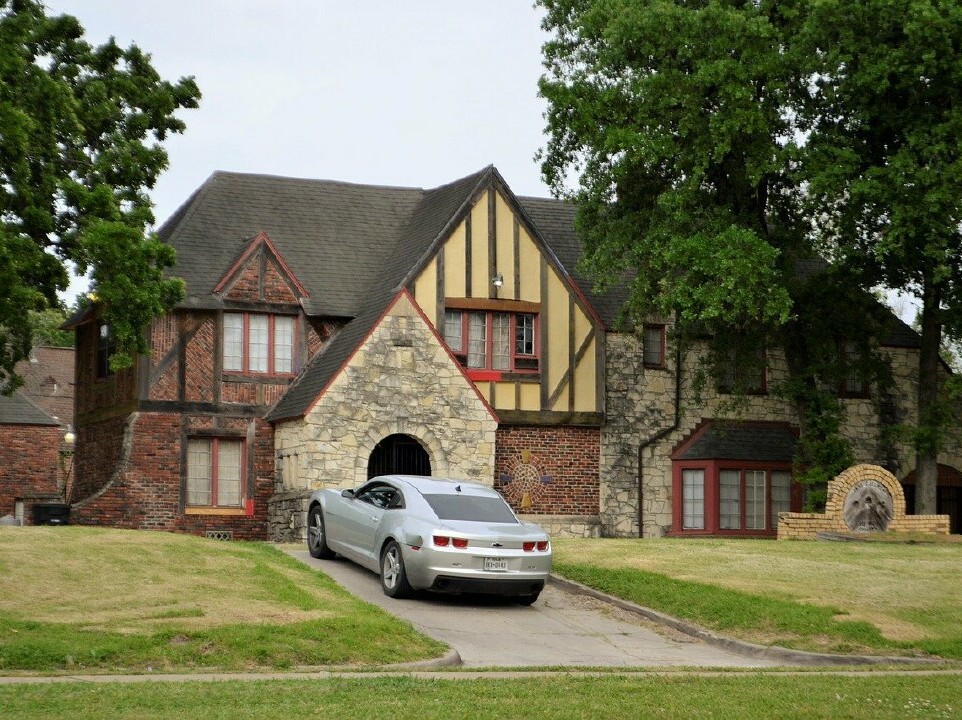
Newer and higher-value Celina homes can require careful review of replacement cost, roof details, specialty materials, detached structures, and deductible choices.
A quote may depend on the year built, square footage, construction type, roof age, roof material, heating and plumbing updates, electrical updates, prior claims, occupancy, protection class, deductible choices, policy limits, and provider underwriting rules. Details such as pools, outdoor kitchens, solar panels, detached structures, smart-home systems, home-office use, short-term rental use, and renovation history may also matter.
Accurate property information helps avoid delays and mismatched quotes. If a roof has been replaced, plumbing has been updated, a monitored alarm has been installed, or a mortgage company needs to be listed, those details may help during the review. If the home has prior losses, older systems, vacancy concerns, or unusual occupancy, those items should be addressed early so the quote path is realistic.
For a home with original woodwork and updated mechanical systems, list those features separately in the valuation review. Ask whether the reconstruction estimate accounts for the materials that would need replacement. Document electrical, plumbing, and roof updates by year rather than relying on a general remodeled description.
Coverage limits should be reviewed with attention to the home’s construction, size, roof type, interior finishes, attached and detached structures, and any special features. The lowest quote may not be the best fit if the dwelling limit, roof terms, water limitations, or liability limit do not match the homeowner’s actual needs.
If an inherited house will remain empty while the family decides its future use, disclose the current ownership and occupancy. Explain who visits and maintains the property, and identify planned repairs. Ask which coverage category fits the present situation; an intended future residence does not eliminate today's vacancy questions.
A standard homeowners review usually begins with whether the house is owner occupied, regularly lived in, and used primarily as a residence.
Condo owners may need coverage for interior property, personal belongings, liability, loss assessment, and gaps in the association master policy.
Manufactured homes may require specialized review based on age, tie-downs, location, construction type, and provider eligibility guidelines.
A vacant home or home under renovation may not fit a normal homeowners policy and should be reviewed before assuming coverage applies.
Homes with prior claims, aging roofs, older systems, or unusual risk details may need a more focused high-risk home coverage review.
If the property is rented to tenants, visit our landlord insurance quote page instead of using an owner-occupied home quote path.
We help homeowners review available coverage options, understand what information may be needed, and separate standard homeowners coverage from related property types. That independent agency approach is useful when a homeowner wants more than a single-company quote or when the property has details that require extra attention.
Our role is to help you think through the quote in practical terms: what is being insured, who occupies the home, what the lender may need, how deductibles work, whether the roof terms make sense, and whether optional coverage should be considered. We can also help identify when a property should be reviewed as a condo, mobile home, vacant property, higher-risk home, or landlord risk.
Celina homeowners insurance should support your specific property and owner situation. A fast quote is helpful, but a clear quote is better when the details could affect claims, billing, mortgagee proof, or long-term satisfaction with the policy.
Some homeowners need coverage because a closing date is approaching. Others are replacing an existing policy, responding to a nonrenewal, reviewing escrow changes, or checking whether a better option is available. When timing matters, it helps to gather the property address, owner information, mortgagee information, current policy details if available, roof age, past loss claims, and desired effective date before beginning the quote.
Depending on provider eligibility, billing options may include a down payment, installment plan, mortgage escrow billing, EFT, ACH, or major credit card payment. Accepted payment methods and billing rules vary by provider, so they should be confirmed as part of the quote review rather than assumed.
An established home near downtown Celina may raise different questions than a newly built home in a master-planned community, a higher-value property with custom finishes, or a larger lot with detached structures. Construction details, roof material, drainage, custom features, prior claims, pools, solar equipment, and occupancy can all affect the most realistic quote options.
The best quote discussion begins with the actual property. Is it a purchase, renewal, refinance, replacement policy, or urgent lender-proof request? Has the roof been replaced? Are there prior claims, foundation repairs, solar panels, historic features, or association responsibilities? Those details help direct the review.
Prepare a home inventory before a loss by recording major belongings, serial numbers, and available receipts. Ask about special limits for items such as jewelry or collectibles and whether additional protection is available. Keep copies where they can be accessed if the home itself is damaged.
No policy covers every possible event. Flood, earth movement, wear and tear, vacancy, business use, intentional acts, and maintenance issues may be limited or excluded depending on the policy. Asking questions before buying can help avoid surprises and can help determine whether separate coverage or endorsements should be considered.
Insurance Plus is located in Dallas and serves Texas property owners. Local agency support can be valuable when you need to explain a property situation, update mortgagee information, compare coverage paths, or understand why a particular home may require additional review.
As an independent agency, Insurance Plus can help review available options instead of limiting the conversation to one company path.
Our Dallas office supports property owners who need quote help, policy guidance, payment information, or property coverage direction.
We help separate homeowners, condo, mobile home, vacant home, and landlord needs so the quote starts in the right place.
Common questions from Celina property owners.
A homeowners policy may include coverage for the dwelling, other structures, personal property, liability, medical payments, and additional living expenses after a covered loss, subject to policy terms, deductibles, limits, and exclusions.
Roof age, material, visible condition, prior hail damage, wind exposure, and repair history may affect eligibility, pricing, deductible options, and available roof claim settlement terms.
Yes. A new home still needs a dwelling limit based on estimated rebuilding cost rather than market value alone. Square footage, construction materials, custom finishes, roof design, detached structures, and local labor and material costs can affect the amount of coverage needed.
Yes. Foundation movement, drainage, plumbing leaks, prior repairs, and unrepaired damage can affect underwriting. Flood and surface water generally require separate coverage from a standard homeowners policy.
Not necessarily. A property rented to tenants or short-term guests may require landlord, dwelling, or specialty rental coverage rather than a standard owner-occupied homeowners policy.
Tell Insurance Plus about the property, desired effective date, lender needs, roof details, and coverage preferences. We can help review the available quote path.