
Dwelling Coverage
May help repair or rebuild the main home after a covered loss, subject to the policy limit, deductible, covered cause of loss, exclusions, and claim conditions.
We help property owners review coverage for the house, belongings, personal liability, other structures, deductibles, roof concerns, and local Tarrant County and North Texas property risks. Request a quote online or call our Texas agency for help.
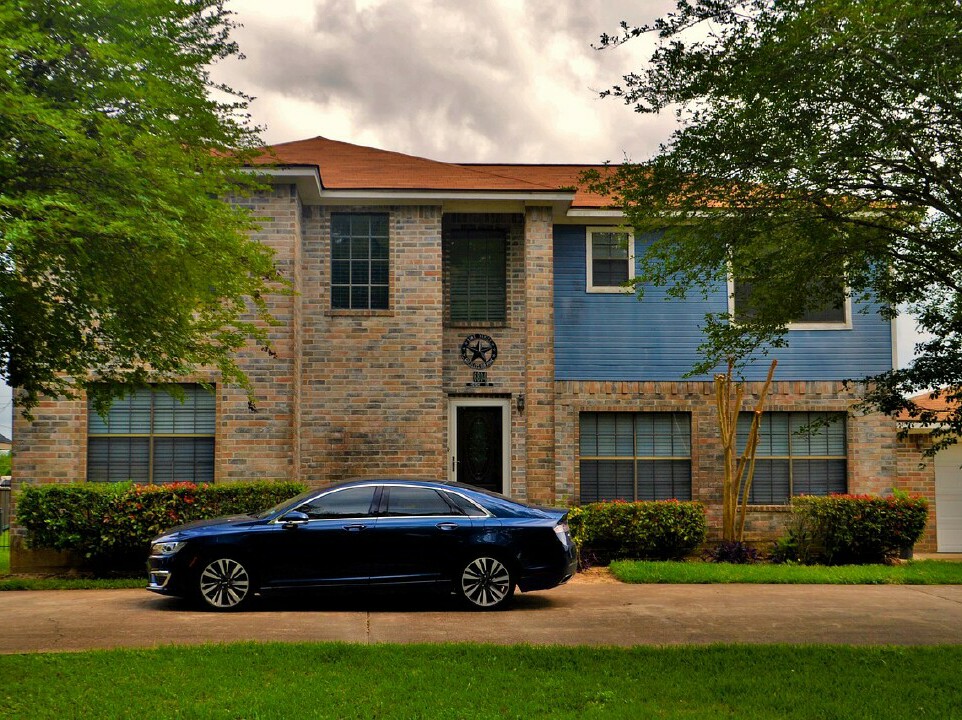
Major credit cards and EFT/ACH are accepted, down payment rules, billing plan, and policy type.
Payment plans, escrow handling, mortgagee billing, and automatic payment choices vary by provider.
A policy is often requested because a lender needs evidence of insurance before closing, but the coverage should be reviewed for more than the mortgage requirement. An Arlington home may need protection for the dwelling, detached structures, personal property, personal liability, medical payments, and additional living expenses after a covered loss. The limits, deductibles, roof provisions, water limitations, and optional endorsements can matter just as much as the price.
Arlington’s neighborhood planning work reflects how differently parts of the city have developed over time. For an owner, that variation shows up in construction eras, lot layouts, additions, accessory structures, and renovation patterns. Recording the actual features of the residence is therefore more useful than relying on a broad assumption about properties elsewhere in Arlington.

Share the property details online or call Insurance Plus. We can help review what information may be needed before a quote can be completed.
Get a QuoteLocal agency support • Arlington property coverage options
Your home's policy can include several coverage parts. Availability, limits, deductibles, endorsements, roof terms, and eligibility rules vary by property and provider. We help Arlington homeowners review the major pieces so you get the right coverage for your needs.
May help repair or rebuild the main home after a covered loss, subject to the policy limit, deductible, covered cause of loss, exclusions, and claim conditions.
May help cover furniture, clothing, electronics, appliances, and other belongings damaged or stolen after a covered event, depending on policy terms.
May help respond to certain covered liability claims involving bodily injury or property damage to others, including defense costs where covered.
May apply to detached garages, fences, sheds, and similar structures on the residence premises, subject to the policy form and selected limit.
May help with additional living expenses if a covered loss makes the home temporarily unlivable and the policy conditions are satisfied.
Wind and hail deductibles, water backup, jewelry limits, equipment breakdown, roof settlement, and other details should be reviewed before choosing coverage.
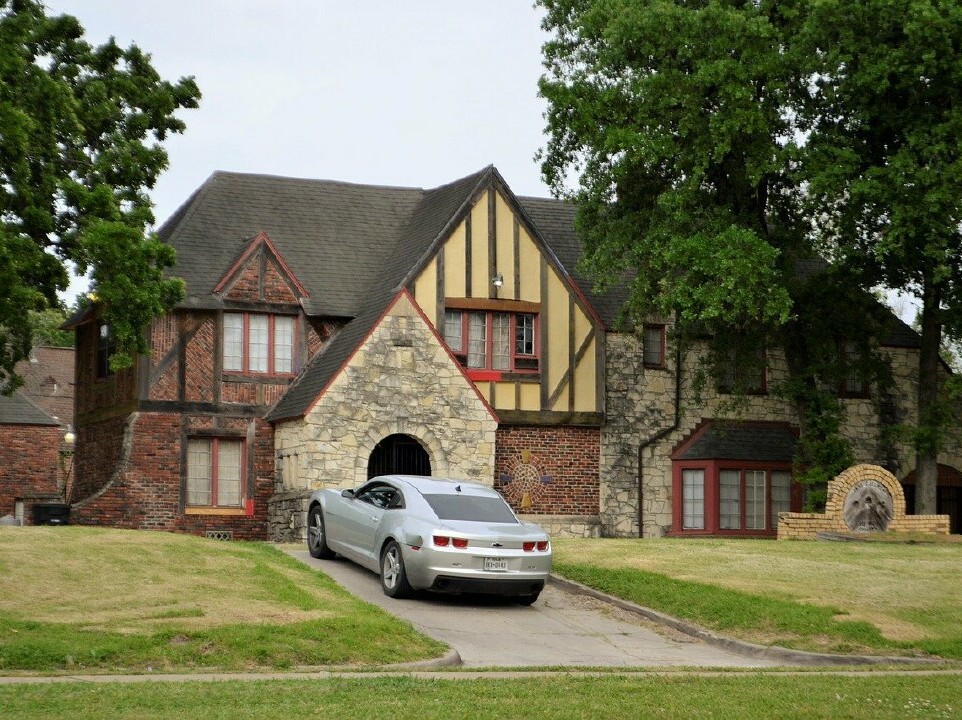
Arlington’s emergency-preparedness guidance specifically addresses extreme winds and tornado sheltering and notes that ordinary building-code compliance does not mean a house can withstand the strongest tornado winds. For property owners, roof age, wind/hail deductibles, exterior structures, mature trees, drainage, and documented repairs deserve attention before severe weather puts those features to the test.
Arlington is not a single uniform residential market. The city’s neighborhood planning program is designed to support neighborhood stability while guiding future development, and adopted plans cover distinct areas with their own development histories. Established housing, newer subdivisions, infill, townhomes, and properties near major commercial or entertainment districts can present different questions about construction age, renovations, attached structures, pools, and current occupancy.
Arlington’s varied residential development makes the current condition of the property more useful than a construction year by itself. A house may have a newer roof, replaced mechanical systems, remodeled interiors, an addition, a pool, or detached improvements that substantially change its profile. Recording those changes with dates and supporting documents helps separate an updated established residence from another property that has retained more of its original components.
For Arlington owners, an organized property file can answer many underwriting questions before they become delays. Roof invoices, permits, photographs, foundation or plumbing records, renovation contracts, and documentation of storm repairs provide a clearer history of the structure. This can be particularly valuable when a residence has changed hands after substantial work and the buyer did not personally oversee the improvements.
Arlington sale prices can be influenced by location within the city, proximity to major employment or entertainment areas, lot characteristics, renovations, and buyer demand. Rebuilding the physical structure is a different calculation. A remodeled established property and a newer subdivision property can have similar market values while differing considerably in construction details, finishes, roof design, and permanent improvements.
Arlington properties also differ in ways that are easy to miss in a broad city-level comparison. Pools, patios, fences, detached buildings, mature trees, drainage patterns, roof shapes, exterior materials, and additions can change the individual risk picture. Describing those features accurately is more useful than assuming that houses in the same general area should be evaluated alike.
The correct policy path depends on occupancy and property type. A home you live in, a condo, a manufactured home, a vacant house, and a rental property may all need different underwriting and coverage treatment.
A standard homeowners review usually begins with whether the house is owner occupied, regularly lived in, and used primarily as a residence.
Condo owners may need coverage for interior property, personal belongings, liability, loss assessment, and gaps in the association master policy.
Manufactured homes may require specialized review based on age, tie-downs, location, construction type, and provider eligibility guidelines.
A vacant home or home under renovation may not fit a normal homeowners policy and should be reviewed before assuming coverage applies.
Homes with prior claims, aging roofs, older systems, or unusual risk details may need a more focused high-risk home coverage review.
If the property is rented to tenants, visit our landlord insurance quote page instead of using an owner-occupied home quote path.
Properties near Arlington’s mature neighborhoods and major activity corridors may also experience continuing redevelopment around them. That does not automatically change the structure itself, but it reinforces the value of keeping additions, renovations, occupancy changes, and permanent improvements accurately documented rather than allowing an older property description to become stale.
Our role is to help you think through the quote in practical terms: what is being insured, who occupies the home, what the lender may need, how deductibles work, whether the roof terms make sense, and whether optional coverage should be considered. We can also help identify when a property should be reviewed as a condo, mobile home, vacant property, high-risk home, or landlord risk.
Arlington homeowners insurance should support your specific property and owner situation. A fast quote is helpful, but a clear quote is better when the details could affect claims, billing, mortgagee proof, or long-term satisfaction with the policy.
Some homeowners need coverage because a closing date is approaching. Others are replacing an existing policy, responding to a nonrenewal, reviewing escrow changes, or checking whether a better option is available. When timing matters, it helps to gather the property address, owner information, mortgagee information, current policy details if available, roof age, claims history, and desired effective date before beginning the quote.
Depending on provider eligibility, billing options may include a down payment, installment plan, mortgage escrow billing, EFT, ACH, or major credit card payment. Accepted payment methods and billing rules vary by provider, so they should be confirmed as part of the quote review rather than assumed.
A homeowner moving from renting to owning may care most about lender proof and affordability. A home near Lake Arlington, north Arlington, south Arlington, the entertainment district, or an established neighborhood with mature trees may raise different questions than a newer home near the edge of the city, a townhome near a dense corridor, or a larger property with a pool. A homeowner with an older roof may need to focus on eligibility and roof settlement terms. A homeowner with recent remodeling may need to confirm whether the dwelling limit still reflects the updated structure.
Arlington severe-weather preparation deserves attention at the individual-property level. Roof condition, large trees, fences, patios, detached structures, drainage, and exterior materials can all affect potential storm damage. Owners who maintain photographs and repair records have a better reference point when a later inspection or underwriting question concerns what changed after a wind or hail event.
Policy details are easier to evaluate before a storm, fire, theft, water loss, or liability claim puts them to the test. A pre-loss review can focus on deductibles, roof settlement terms, personal property limits, jewelry sublimits, sewer-or-drain backup endorsements, and loss-of-use protection so important differences are understood beforehand.
Every policy has boundaries. Flood, earth movement, wear and tear, vacancy, business use, intentional acts, and maintenance-related damage may be restricted or excluded depending on the contract. Identifying those limitations early can show whether another policy or an added endorsement should be reviewed.
Texas insurance agency serving Arlington and Texas property owners. Local agency support can be valuable when you need to explain a property situation, update mortgagee information, compare coverage paths, or understand why a particular home may require additional review.
Insurance Plus operates as an independent agency, allowing the discussion to compare available choices rather than being confined to one insurer.
Our Dallas office supports Texas homeowners who need quote help, policy guidance, payment information, or property coverage direction.
Our review separates owner-occupied residences from condo, mobile home, vacant-property, and landlord exposures so the request is matched to the proper form.
Common questions from Arlington.
A homeowners policy may include coverage for the dwelling, other structures, personal property, personal liability, medical payments, and additional living expenses after a covered loss, subject to policy terms, deductibles, limits, and exclusions.
Roof age, roof material, visible condition, prior hail damage, and repair history may affect eligibility, pricing, deductible options, and available roof claim settlement terms.
Yes. Condo and mobile home insurance may require separate review because coverage forms, property responsibilities, building details, and underwriting guidelines can differ from a standard owner-occupied house.
Rates can vary based on location, home age, roof age, construction type, square footage, claims history, coverage limits, deductible choices, selected endorsements, and provider eligibility rules.
No. A home you occupy and a property rented to others often need different coverage. Rental homes and investment properties may require landlord insurance rather than a standard homeowners policy.
Tell Insurance Plus about the property, desired effective date, lender needs, roof details, and coverage preferences. We can help review the available quote path.