
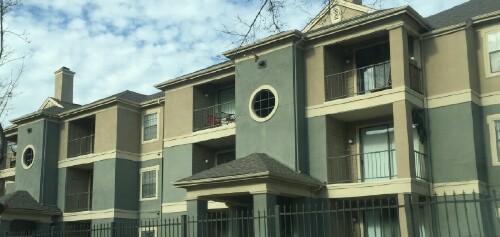
Why a simple statewide average can mislead
Two apartment properties with the same number of units can have very different insurance costs. Building construction, insured value, roof condition, location, loss history and coverage selections can outweigh unit count alone. A useful comparison therefore starts with the actual property rather than a generic per-unit estimate.
Units and building value
More units and greater insured values can increase the amount of property and income exposed to loss.
Construction and updates
Construction type, roof, electrical, plumbing and major updates can influence eligibility and pricing.
Location
Wind, hail, coastal exposure, fire protection and other location characteristics can affect the risk.
Claims and coverage choices
Loss history, limits, deductibles and optional protections can materially change the final premium.
Building value and valuation method
The amount required to insure the structure is a major pricing input. Replacement-cost valuation and actual-cash-value approaches are different, and insurers may use reconstruction estimates rather than purchase price or market value. Owners should verify the amount and valuation basis used in each quote.
Age, construction and building systems
Year built, frame versus masonry construction, electrical systems, plumbing, heating, roof age and major updates can influence eligibility and price. Older properties are not automatically uninsurable, but carriers may request more detail or apply different terms.
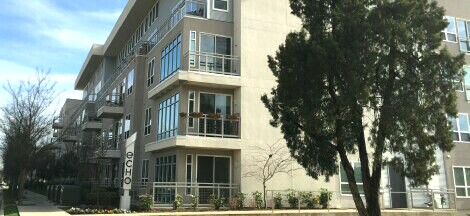
Location and catastrophe exposure
Wind, hail, coastal exposure, fire protection and other location-specific conditions can affect both premium and deductible structure. Texas properties in different regions should not be expected to price identically even when the buildings otherwise look similar.
Occupancy, management and property condition
Insurers may consider occupancy percentage, tenant profile where relevant to underwriting, property management, maintenance, vacancy, renovations and safety features. A building with substantial vacancy or active construction may need different underwriting than a stabilized apartment property.
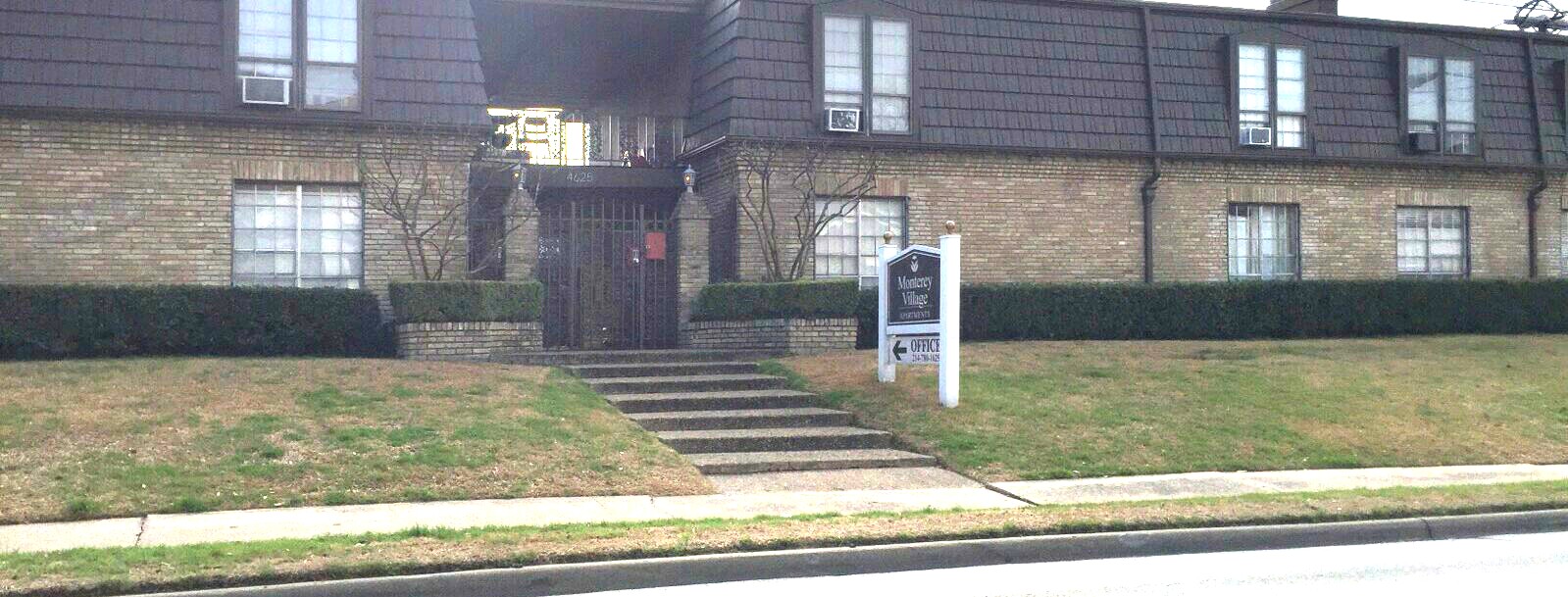
Claims and deductible choices
Prior losses can affect underwriting and pricing. Higher deductibles may reduce premium in some situations but also increase the owner's out-of-pocket exposure. Compare the deductible amount and how it applies, especially for wind or hail.
Coverage choices also change the price
Liability limits, loss-of-income coverage, ordinance-or-law protection, equipment or other endorsements and optional protections can change the premium. A lower quote is not necessarily a better quote if important coverage has been reduced or omitted.
What to gather before requesting quotes
Prepare the address, unit count, building count, year built, construction, square footage, roof replacement year, major system updates, occupancy, current limits, desired valuation, deductible preferences and recent claims. Better information makes quote comparisons more meaningful.
Need insurance for a Texas apartment building?
Insurance Plus can review available options for qualifying apartment buildings and multifamily properties across Texas.