
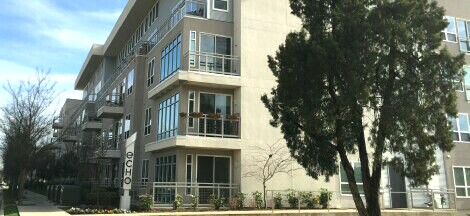
Why five units can matter
One-to-four-family rental properties are commonly associated with dwelling-policy underwriting. Once a property reaches five or more units, many insurance markets evaluate it as an apartment or commercial multifamily property. The exact eligibility rules and forms still depend on the insurer.
1–4 rental units
Often associated with dwelling-property underwriting for smaller residential rental properties, depending on carrier rules.
5+ units
Often evaluated as an apartment or commercial multifamily risk, with more detailed property and liability underwriting.
Commercial property forms are not standardized
Texas commercial property policies are not standardized in the same way as some personal insurance forms. That makes it especially important to compare covered causes of loss, valuation, deductibles, exclusions and endorsements rather than assuming two apartment quotes provide identical protection.
Property information becomes more important
For a larger multifamily building, expect detailed questions about construction, square footage, unit count, occupancy, roof, electrical and plumbing updates, heating, protection features, management and claims. Insurers may also ask about balconies, pools, laundry facilities, parking, renovations or commercial occupancies.
Liability and common areas
More units generally mean more residents and more shared areas. Stairs, sidewalks, parking lots, entrances and other common spaces can affect the liability exposure. Review liability limits and any exclusions or conditions that apply to the actual property.
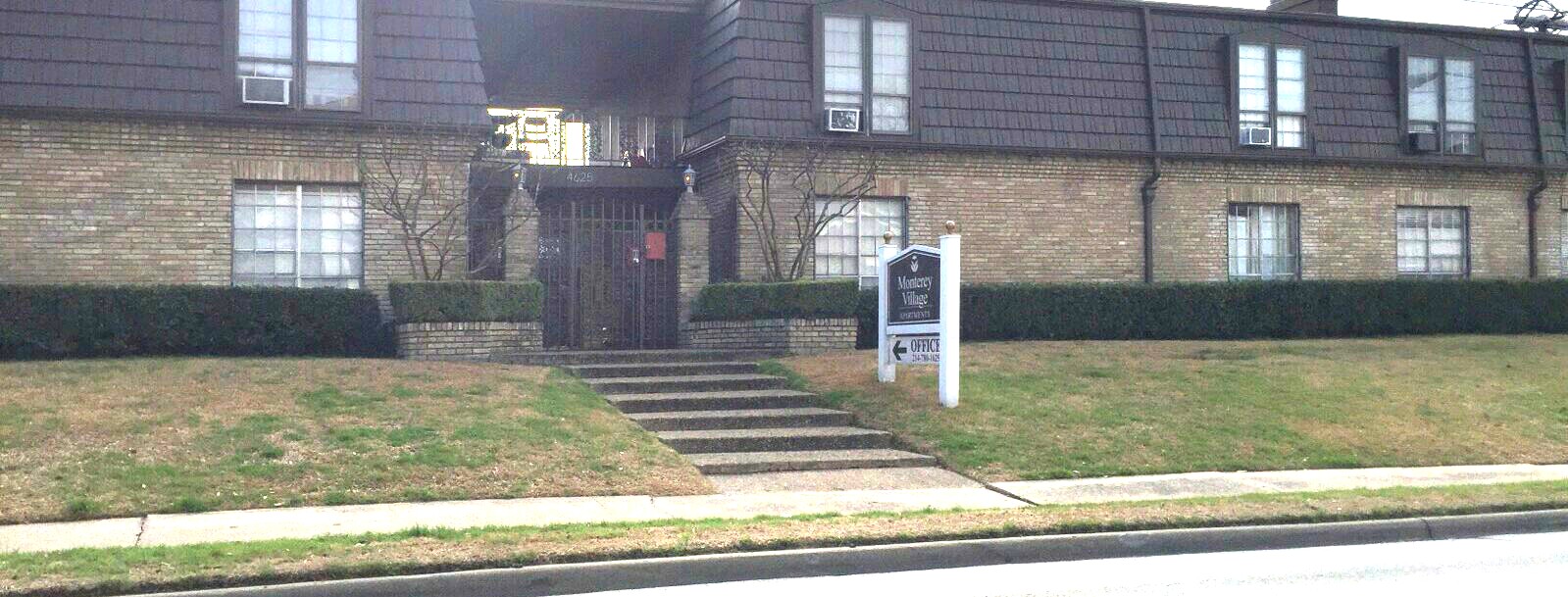
Loss of rents can become a larger exposure
A covered loss affecting several units can interrupt a substantial portion of the property's income. Review how the policy defines covered loss of income, the applicable limits and the period during which benefits may be available.
One building versus an apartment complex
A single six-unit building and a multi-building apartment complex can require different underwriting even when the total unit count is similar. Building schedules, values, construction, distances between structures and shared amenities can all matter.
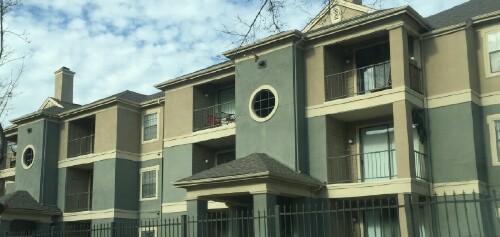
When the property is older or harder to place
Older roofs, aging electrical or plumbing systems, prior losses, vacancy, deferred maintenance or active renovation can narrow the available market. Accurate details help determine whether a standard apartment market or a more specialized option should be considered.
Prepare before requesting a quote
Have the property address, number of buildings and units, construction, year built, square footage, roof year, major updates, occupancy, current coverage, requested limits, deductible preferences and recent loss history available. For multi-building properties, a building-by-building schedule is especially useful.
Need insurance for a Texas apartment building?
Insurance Plus can review available options for qualifying apartment buildings and multifamily properties across Texas.