Manufactured Home Coverage
May help repair or replace the insured dwelling after a covered loss, subject to policy terms and selected limits.

We help property owners review coverage for the home, belongings, liability, weather-related risks, deductibles, and payment options.
Serving Texas since 1997 • Licensed Texas independent insurance agency
Major credit cards and EFT/ACH may be accepted, depending on provider eligibility and payment plan.
Availability, billing plans, and down payments vary by provider.
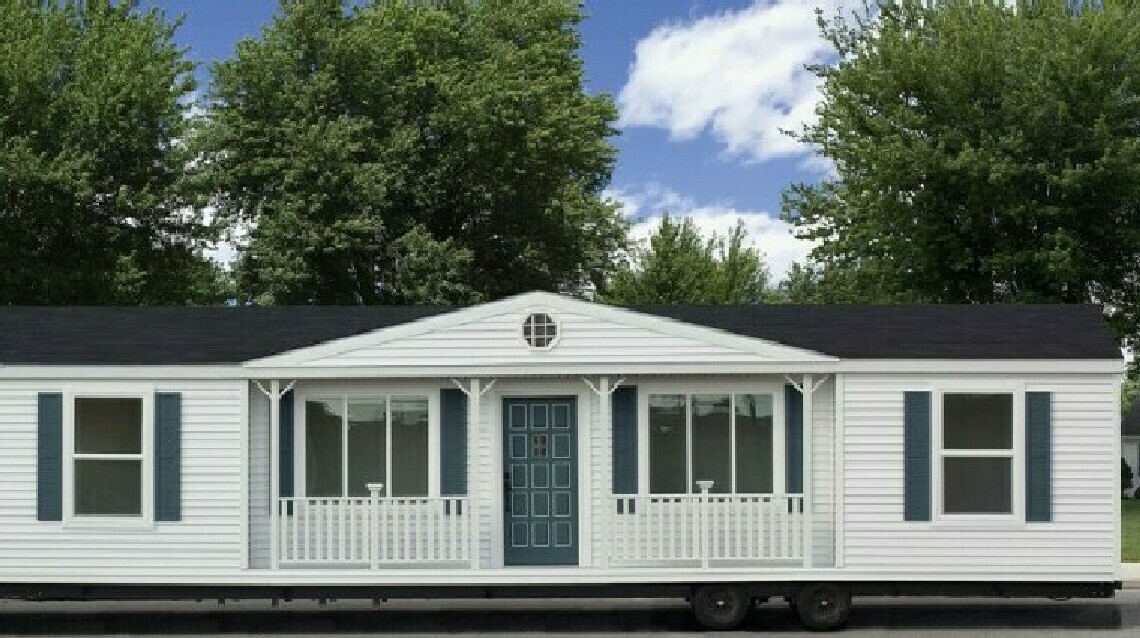
Manufactured homes often need different considerations than standard site-built houses. Age, location, occupancy, foundation details, tie-downs, roof condition, additions, and ownership details may all affect how a provider reviews the home.
Insurance Plus is a licensed Texas independent insurance agency helping homeowners review manufactured home insurance options, quote requirements, payment choices, and policy details.
Share your property details online or call Insurance Plus if you want help reviewing what may be needed before your quote can be completed.
Request QuoteLocal agency support • Texas property coverage options
Manufactured home insurance availability, limits, deductibles, endorsements, exclusions, and eligibility vary by provider and property details.
May help repair or replace the insured dwelling after a covered loss, subject to policy terms and selected limits.
May help cover furniture, clothing, electronics, appliances, and other belongings damaged by a covered cause of loss.
May help protect against certain covered claims involving injury or property damage to others.
Decks, porches, sheds, skirting, carports, and similar property may need review depending on policy terms.
May help with additional living expenses if a covered loss makes the home temporarily unlivable.
Deductibles, down payments, billing plans, roof provisions, and payment options should be reviewed before choosing coverage.
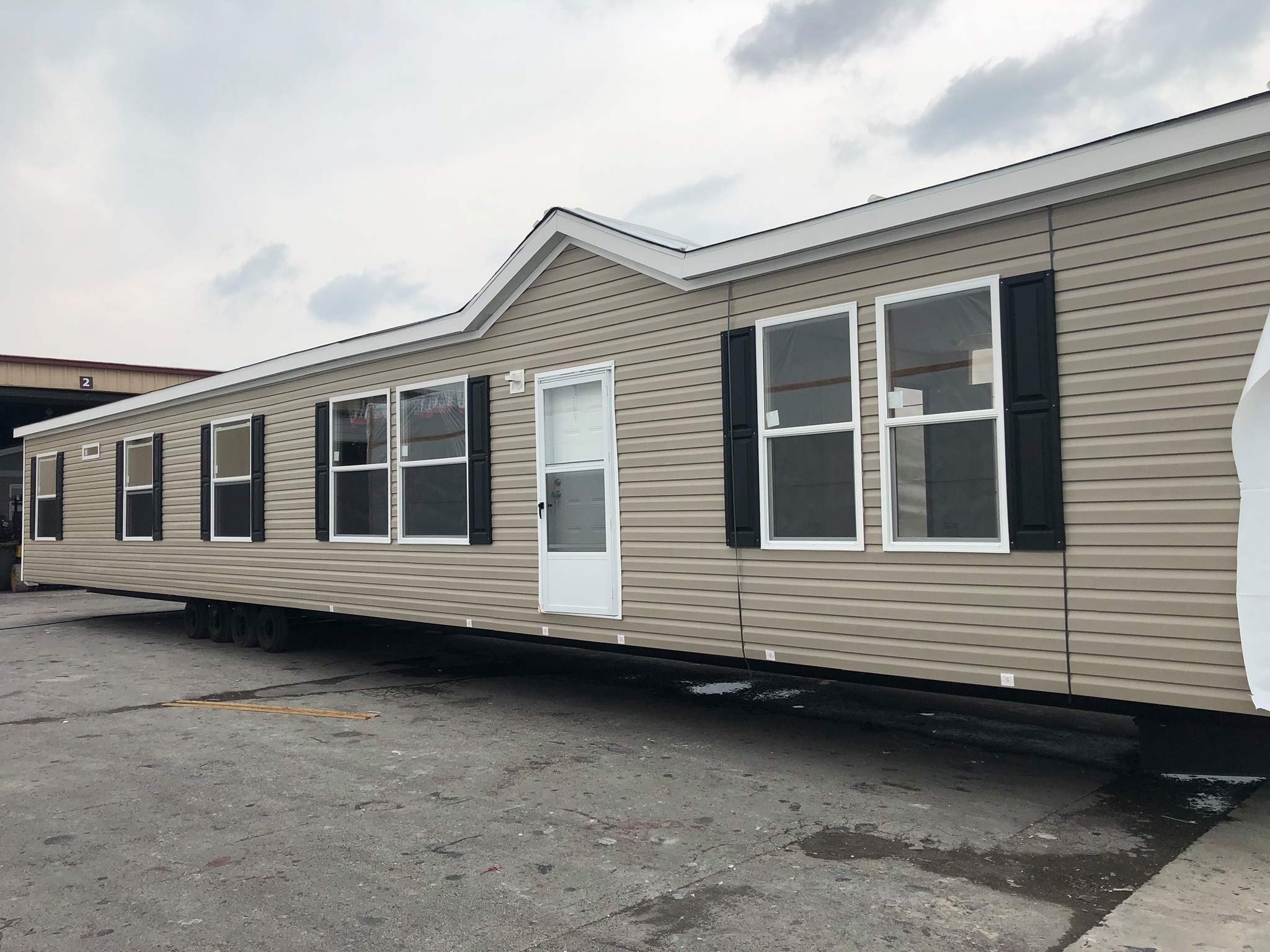
These homes can face different underwriting questions than traditional houses. The model year, home size, construction type, roof condition, tie-downs, location, occupancy, prior losses, additions, and attached structures may all matter. Providers may also ask how the home is installed, whether it has been moved from its original location, and whether major systems or the roof have been updated.
Condition can be especially important with an older property. Roof wear, unrepaired damage, plumbing or electrical concerns, additions that do not match the original construction, and incomplete property information can affect eligibility or the coverage options available. Accurate details help the agency determine which providers may be appropriate before a quote is completed.
Texas weather can also affect coverage review. Wind, hail, severe thunderstorms, fire, water concerns, and regional storm exposure may influence deductibles, roof provisions, available limits, and other policy terms. Two homes with similar values may receive different options because of location, roof age, construction details, claims history, or the deductible selected.
Your property quote may depend on the home’s age, location, size, manufacturer, model, serial or VIN information, roof condition, prior claims, occupancy, selected limits, deductible choices, and whether the home has additions or detached structures.
Accurate property information helps prevent delays. Before requesting a quote, it can help to know whether the home is owner-occupied, rented to someone else, located in a residential community, placed on private land, or used seasonally. You may also be asked about the roof, tie-downs, porches, decks, carports, sheds, recent updates, mortgage or lienholder information, and previous property losses.
You do not need to know every policy detail before requesting a quote. Providing the basic property and occupancy information gives Insurance Plus a better starting point for reviewing available providers, coverage limits, deductibles, and payment choices. Additional information can be gathered when a particular provider requires it.
The terms mobile home and manufactured home are often used together, but coverage review may depend on the home’s construction date, property details, occupancy, and provider guidelines.
Coverage should be reviewed with attention to the structure, occupancy, location, roof details, deductible comfort level, and payment preferences. For a broader overview, visit our Texas mobile home insurance page. If the property is rented to tenants, review landlord coverage.
How a covered loss is valued can be just as important as the coverage limit shown on the policy.
When available and included in the policy, replacement cost coverage may value covered property using the cost to repair or replace it with property of similar kind and quality, subject to policy terms, limits, conditions, and applicable deductibles.
Actual cash value generally considers depreciation when determining the value of covered damaged property. The amount available after a loss may therefore be lower than the current cost to replace the damaged item or structure.
Loss-settlement provisions can vary by provider, property, coverage type, and endorsement. Review how the dwelling, roof, personal property, and other covered structures are valued before choosing a policy based only on premium.
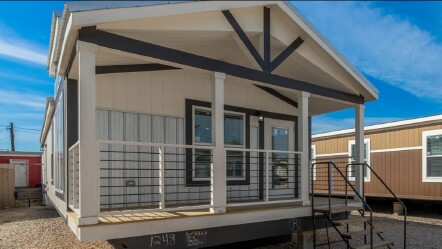
Coverage is easier to review before a claim than after one. It is important to understand the dwelling limit, personal property protection, liability coverage, deductibles, attached structures, and payment options before a loss happens.
We can help explain what information may be useful for a quote and whether this policy or another coverage type may be more appropriate. You can also return to the Insurance Plus homepage to review personal, property, and business insurance options.
Common questions about manufactured home policies in Texas.
Yes. Manufactured homes may need specialized coverage based on the home type, age, location, occupancy, tie-downs, roof condition, and policy eligibility.
Coverage may include the insured dwelling, personal belongings, liability protection, additional living expenses, and certain attached or detached structures after a covered loss.
The quote may be affected by the home's age, location, size, construction, roof condition, tie-downs, occupancy, prior claims, coverage limits, deductibles, and payment options.
A manufactured home rented to tenants may require landlord or rental property coverage instead of an owner-occupied home policy.
Yes. You can request a quote online or call Insurance Plus for help reviewing manufactured home coverage information and quote requirements.
Wind and hail coverage depends on the provider, property location, policy form, deductible, and other underwriting factors. Review the policy terms and applicable wind or hail deductibles before selecting coverage.
Helpful information may include the home's year, manufacturer, size, location, occupancy, serial or VIN information, roof condition, tie-downs, additions, prior claims, desired limits, and mortgage or lienholder details when applicable.
Replacement cost coverage may use the cost to repair or replace covered property without the same depreciation adjustment used with actual cash value. Availability and loss-settlement terms vary by provider and policy.
Request a quote and review available options for the dwelling, belongings, liability, deductible choices, weather risks, and payment preferences.