
Denton Landlord Insurance for Residential Rental Properties
Compare options for tenant-occupied homes, duplexes, triplexes, fourplexes, and qualifying multifamily properties. Your property coverage should consider occupancy, construction, roof condition, rebuilding cost, storm exposure, and intended use.

Residential landlord quote
Request coverage for a rental home, duplex, triplex, or fourplex occupied by tenants.
Get Residential QuoteSmall multifamily quote
Submit a multifamily property for broader underwriting and commercial property review.
Request Multifamily QuoteApartment building coverage
Request coverage for larger apartment and multifamily properties through our dedicated quote form.
Get Apartment QuoteDenton Landlord Insurance for Rental Property
Tenant-occupied homes and residential buildings present different exposures than owner-occupied residences. Lease changes, vacancies, tenant turnover, divided maintenance responsibilities, and income interruption can affect underwriting and claims, which is why a standard homeowners form is often not the right fit.
Insurance Plus helps Denton and Denton County investors review residential property coverage based on actual occupancy, unit count, construction, roof age, updates, prior losses, valuation, and intended use. An inherited rental, converted former residence, duplex, student-oriented property, long-term family rental, or small multifamily building can require different underwriting information even when properties are close together.
Single-Family Rentals
Coverage for detached homes leased to tenants, including long-term rentals and qualifying properties owned individually or through an approved business entity.
Duplexes and Triplexes
Protection for smaller multi-unit buildings where shared systems, tenant arrangements, and premises liability require closer underwriting.
Fourplex Properties
Quote assistance for four-unit residential buildings that may still fit a dwelling program depending on construction, occupancy, updates, and carrier guidelines.
Multifamily Buildings
Coverage assistance for properties that exceed one-to-four-unit program limits and may need apartment or commercial property protection.
Why Rental Properties Need Careful Underwriting
Denton rentals can face severe thunderstorms, large hail, strong straight-line winds, tornado exposure, heavy rainfall, extreme heat, freeze-related plumbing losses, fire, theft, liability claims, and periods of vacancy. A covered building loss may interrupt rent while repairs are completed, making dwelling limits, wind and hail deductibles, roof provisions, and eligible loss-of-rents protection important to review.
Roof age and condition can be especially important in Denton County because hail, wind, intense sun, heat, and repeated storm exposure can compound normal exterior wear. Carriers may ask about roofing material, prior hail or wind losses, completed repairs, electrical and plumbing updates, HVAC systems, foundation history, deferred maintenance, drainage, and current reconstruction cost.
A properly prepared Denton landlord insurance quote should reflect the building's occupancy, roof condition, unit count, ownership, claims history, and actual use. Student-oriented occupancy, renovation work, extended vacancy, furnished rentals, or a recent conversion from owner occupancy should be disclosed before placement.

What a Rental Dwelling Policy Can Cover
Coverage varies by carrier, policy form, property condition, and selected endorsements. Every quote should be reviewed for its actual limits, deductibles, exclusions, valuation terms, roof provisions, and settlement language.
Dwelling and Structures
Coverage may apply to the primary rental building and eligible attached or detached structures. Limits should reflect a realistic rebuilding estimate rather than market value or the remaining loan balance.
Owner Liability
Liability coverage may respond to certain allegations of bodily injury or property damage involving tenants, visitors, or conditions at the rental premises.
Loss of Rents
When a covered loss makes the rental uninhabitable, eligible loss-of-rents coverage may replace some rental income during the reasonable repair period.
Owner-Furnished Property
Some policies can cover appliances, maintenance equipment, or furnishings owned by the landlord and kept at the rental, depending on the policy form and selected limits.
Wind, Hail, Deductibles, and Valuation
Two quotes with similar premiums can produce very different claim outcomes. One may use replacement cost for covered building damage while another applies actual cash value to a roof or other property. Wind and hail deductibles may be flat amounts or percentages of the insured value.
Depending on the carrier and property, endorsements may be available for water backup, service lines, equipment breakdown, vandalism, theft, ordinance or law, extended replacement cost, or other exposures. Denton owners should pay particular attention to wind and hail deductibles, roof settlement provisions, cosmetic-damage limitations, drainage concerns, and whether separate flood coverage is appropriate for the property.
Insurance Plus can help compare practical differences among eligible options. Price matters, but it should be considered together with deductibles, valuation, roof provisions, exclusions, and required inspections.
Questions worth asking about a quote
- Is the dwelling insured at replacement cost or actual cash value?
- How does the wind and hail deductible apply?
- Is loss-of-rents coverage included, optional, or limited?
- Are water backup and service-line losses available?
- Does the policy include ordinance or law coverage?
- Are roof age or cosmetic damage restrictions present?
- What inspections, repairs, or documentation are required?
Coverage considerations between tenants
A short gap between tenants is common, but a property that remains vacant for an extended period may no longer meet the occupancy requirements of its current policy. Vacancy can increase the chance that leaks, freeze damage, vandalism, theft, or electrical problems go unnoticed.
Tell the agency when a property is vacant, under repair, awaiting a tenant, or being prepared for sale. Renovation work, disconnected utilities, open walls, or a material change in use may require additional underwriting review.
Accurate occupancy information helps avoid placing a property into a form that does not match its actual exposure.
Why Tenant Renters Coverage Still Matters
A rental-dwelling policy generally protects the owner's insurable interest. It is not designed to insure a tenant's furniture, clothing, electronics, or personal liability.
Requiring tenants to maintain renters coverage can clarify that separation and may provide protection when a tenant is responsible for certain accidental damage or an injury.
Tenant coverage does not replace owner liability protection, property maintenance, or careful management. It is one part of a broader risk-control strategy.
Information That Can Improve Your Quote
Rental-property quotes often require more building detail than owners expect. Complete information can reduce follow-up questions, improve accuracy, and help identify carriers likely to accept the risk.
Building Details
Prepare the year built, square footage, construction type, number of stories, unit count, foundation, electrical, plumbing, HVAC, roof age, and major update information.
Updates and Condition
Carriers may ask when the roof, wiring, plumbing, HVAC, and water heater were replaced and whether unrepaired wind, hail, or water damage or other deferred maintenance exists.
Occupancy and Management
Let your insurer know whether the property is occupied, vacant, long-term, student-oriented, furnished, short-term, owner-managed, inherited, or professionally managed.
Claims and Prior Coverage
Prior wind, hail, water, fire, liability, or flood losses, cancellations, nonrenewal, current carrier information, and coverage gaps may affect eligibility and should be disclosed accurately.
Coverage Help for Growing Denton Rental Portfolios
Owners with several rentals may benefit from reviewing all locations together, even when each building ultimately receives a separate policy. A portfolio review can reveal inconsistent limits, different deductible structures, missing liability protection, or renewal dates that are difficult to coordinate.
Some carriers may accept multiple Denton or Denton County rental locations, while others are better suited to a single property or particular construction type. When comparing landlord coverage for Denton properties, ownership entities, mortgages, property managers, roof histories, vacancy patterns, and prior losses can affect how an account should be submitted.
Insurance Plus can organize the information, identify suitable carrier options, and compare available coverage without assuming every property belongs in one program.
When an Apartment Policy May Be More Appropriate
Larger multifamily buildings often require commercial property underwriting, broader liability review, rent-roll information, management details, and more extensive valuation work.
Owners of properties with five or more units should use the apartment quote form so the building can be reviewed for an appropriate insurance market.
Get Apartment QuoteRental Property Insurance Considerations
The local housing market includes established single-family homes, duplexes, townhomes, inherited properties, former owner-occupied residences, and small multifamily buildings. Long-term households are common, while the University of North Texas, Texas Woman's University, healthcare, education, and the broader Dallas–Fort Worth economy can contribute to student, staff, and workforce rental demand.
For Denton rental property insurance, older homes and renovated properties may require closer review of roofing, plumbing, electrical systems, HVAC equipment, foundation history, exterior condition, drainage, and completed updates. Recently renovated properties may also require documentation showing when major systems and roof work were completed.
Properties in Downtown Denton, neighborhoods near the University of North Texas, areas near Texas Woman's University, Southridge, North Lakes, and corridors along University Drive and Loop 288 can reflect different construction eras, roof histories, values, drainage characteristics, maintenance profiles, and tenant patterns. Rentals serving the Denton market may also see different lease timing and turnover patterns depending on proximity to campuses, medical employers, and major DFW commuter routes. Actual building condition, occupancy, prior losses, maintenance history, drainage, and rebuilding information remain more important than the neighborhood name alone.
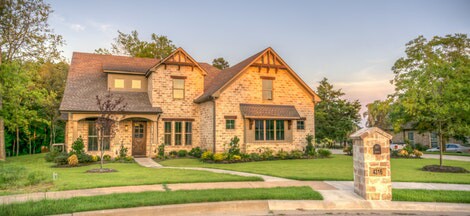
Agency Support for Texas Property Investors
Insurance Plus is an independent Texas insurance agency based in Dallas providing coverage throughout Texas, including Denton and Denton County. We have helped insurance customers since 1997.
Our agency helps owners identify the appropriate application, organize underwriting details, review Denton rental property insurance options, and communicate with carriers when questions arise.
Because Insurance Plus is independent, we can compare eligible property-coverage options from multiple companies and recommend terms based on the building's characteristics, occupancy, underwriting requirements, and owner objectives.
Have these details ready
- Property address and ZIP code
- Year built, square footage, and construction type
- Roof age and major system updates
- Number of units and current occupancy
- Requested dwelling and liability limits
- Current carrier and renewal date
- Loss history for the property and owner
- Mortgagee and ownership entity information
Related Coverage for Denton Owners
Explore additional Insurance Plus coverage for Texas drivers, homeowners, renters, and residential property owners.
Nearby and Related Texas Coverage Areas
Compare residential property coverage information for other North Texas communities served by Insurance Plus.
Property Insurance FAQ
Why is rental-dwelling coverage different from homeowners coverage?
A homeowners policy is generally designed for an owner-occupied residence. A tenant-occupied Denton property may need a dwelling or landlord form structured around rental use, building protection, liability, and income exposures.
Can duplexes, triplexes, and fourplexes qualify?
Many smaller multi-unit properties can qualify, but eligibility depends on construction, age, condition, updates, unit count, tenant occupancy, prior claims, and carrier underwriting rules.
Can loss-of-rents coverage be included?
Some policies include or offer loss-of-rents coverage when a covered loss makes the property temporarily uninhabitable. Limits and covered repair periods vary by policy.
What if a Denton rental is used for student housing?
Student-oriented occupancy should be disclosed accurately. Eligibility can depend on lease structure, number of unrelated occupants, property management, building condition, and carrier underwriting requirements.
What happens if the property becomes vacant?
Vacancy can restrict or change coverage after a stated period. Tell the agency when tenants move out, renovations begin, or the property will remain unoccupied so the policy can be reviewed.
When should I use the apartment quote form?
Use the apartment quote form for larger multifamily properties, especially buildings with five or more units or risks requiring commercial property and liability underwriting.
Compare Coverage and Rates for Your Denton Property
Select the quote option that matches the number of units and provide accurate occupancy, roof, claims-history, ownership, and property details for underwriting review.